EphraimHill DC- Weekly Civic Data Intelligence | 19-09- 2026 | Idowu Ephraim Faleye +2348132100608
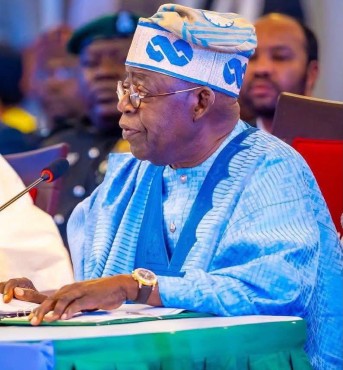
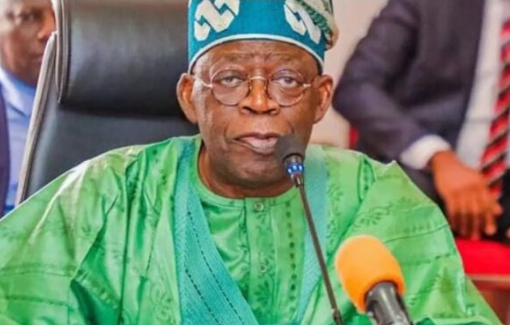
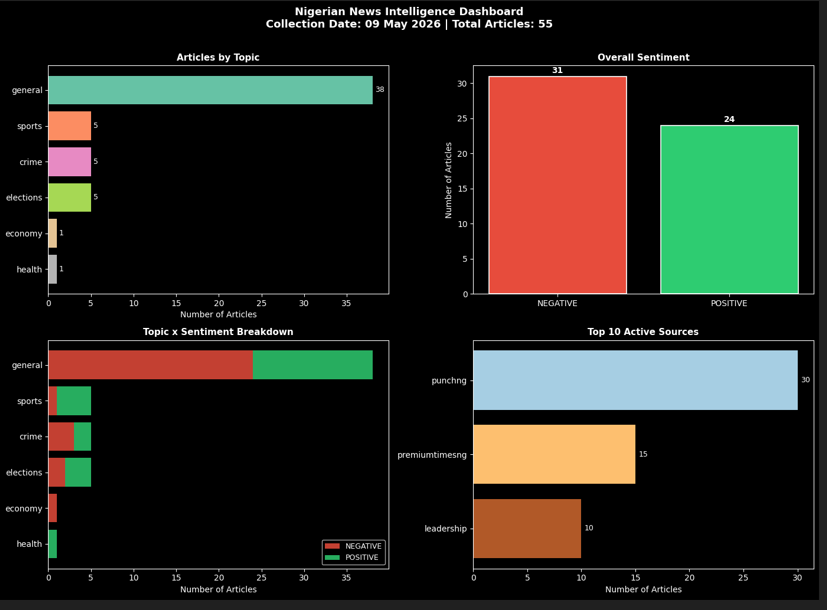
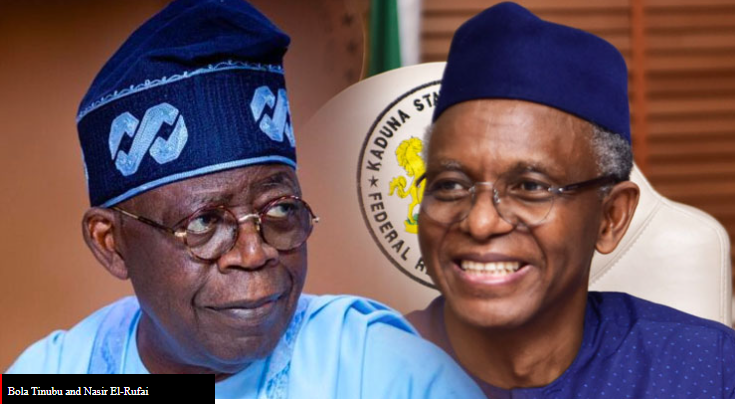
Nigeria’s economy looks better, but politics and fuel prices tell a different story, and the data helps explain why. Start with the numbers, because the numbers tell a story before the headlines do. This week, 171 stories mentioned President Bola Tinubu, and 42.1% of them carried a positive tone while 57.9% were negative. In simple terms, the President was being discussed from both sides, with support and criticism appearing across the news. What matters here is not simply whether a story is positive or negative, but what these patterns tell us about the issues Nigerians are paying attention to.
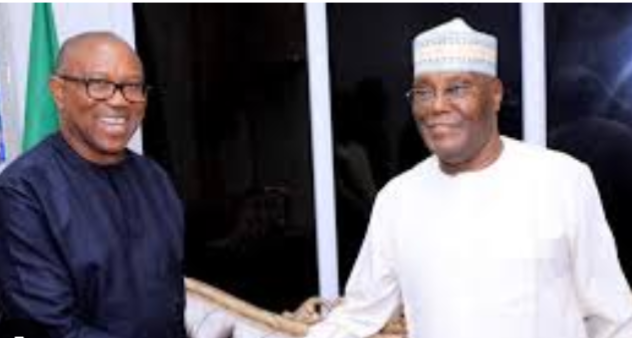
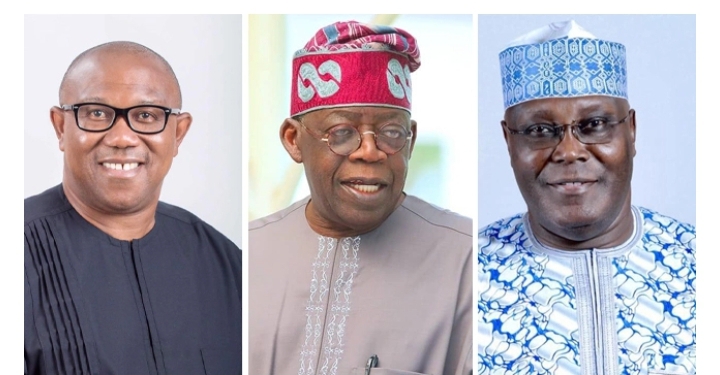
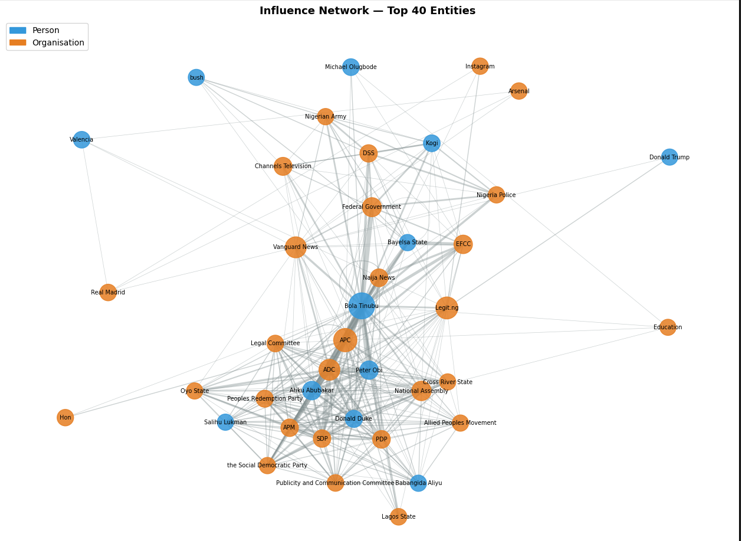
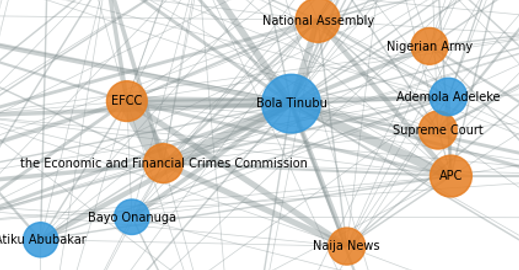
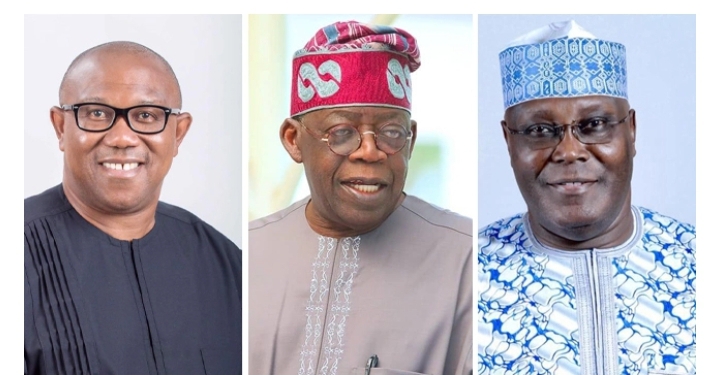
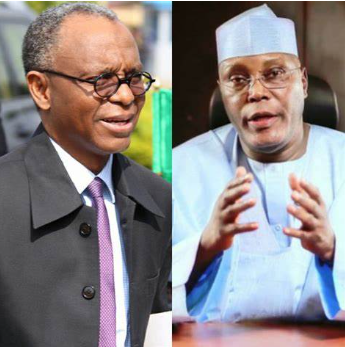
One of the clearest signals is the strong connection between President Tinubu and the emerging 2027 political conversation. Atiku Abubakar appeared alongside him in 38 stories, Peter Obi in 26, Nyesom Wike in 21, Kashim Shettima in 12, and Abdulaziz Yari in nine. The same pattern appeared among political organisations, with the APC linked 59 times, the ADC 30 times and the PDP 27 times. This tells us that the President’s activities are increasingly being discussed alongside the people and organisations that could shape the next major political contest.
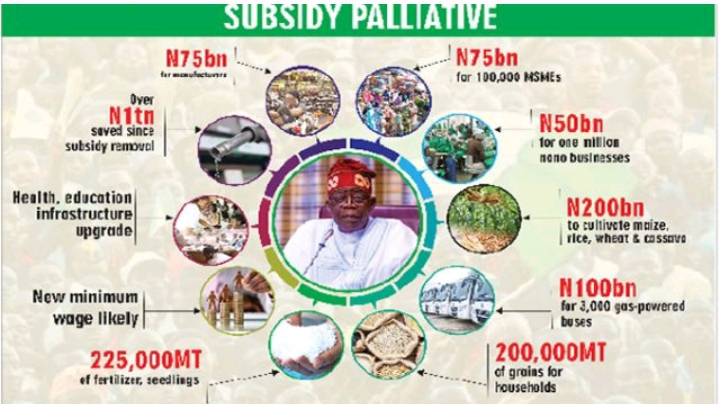
The headlines themselves make this even clearer. One story focused on the Defence Minister rallying former officials in Zamfara around the President’s anti-banditry campaign, while another reported support for Tinubu’s 2027 endorsement. At the same time, another headline carried Atiku’s criticism of the President’s handling of subsidy earnings during the ASUU strike. Put together, these stories show how one political figure can become the centre of very different conversations at the same time.
Read Also: Nigeria’s Opposition 2027: 60% of This Week’s Coverage Says Unity Is Slipping.
Behind this political conversation is another issue that affects almost every Nigerian: economic reform. Our Live Q&A tool searched the full news record in the EphraimHill DC pipeline to understand how Tinubu and his side have presented their economic reforms. The system searches by meaning rather than simply matching exact words, which helps us identify stories that are discussing the same idea even when they use different language. Some of its strongest matches included stories describing the reforms as stabilising the economy, creating temporary pain for longer-term gains, and supporting stronger corporate earnings.
These are not stories from this particular week, and that distinction matters. They were published earlier in the year, so we are using their headlines to understand the broader reform narrative rather than presenting them as fresh developments. Still, they reveal a consistent message from the President’s side: the reforms are being presented as difficult changes intended to produce longer-term economic benefits. Another late-August story asking what Tinubu will leave behind also shows that the conversation is gradually moving beyond immediate policy changes toward questions about the President’s eventual legacy.
The opposition side presents a different data picture. When we asked the Live Q&A about opposition views on economic reform and fuel price increases, the strongest matches were largely about the wider fuel subsidy debate and the cost-of-living problem. One Premium Times opinion called for a real solution to the cost-of-living crisis, while a BusinessDay report examined the tension between cheaper petrol and the gains associated with reform. A ThisDay article also called for the country to move beyond political slogans.
Interestingly, the search did not return a clear headline in which an opposition figure presented a complete alternative economic plan. That is an important finding because political debate is not only about what one side has done or failed to do. It is also about what other sides propose as alternatives. For citizens trying to understand the future, the quality of the conversation can improve when criticism is matched with clear, measurable proposals.
Read Also: EphraimHill DC Monthly Intelligence Brief — August 2026
The same pattern appears in the wider opposition coverage. Only six articles focused directly on the opposition this week, and 83.3% carried a negative tone. Five of those six stories mentioned Tinubu, showing that much of the opposition conversation is still being framed around the President rather than around a detailed explanation of what the opposition would do differently.
The headlines included claims from the Presidency about the opposition’s chances in 2027, an opinion piece questioning the strength of the opposition in Adamawa, and another report discussing the coalition and the question of who should lead it. Sanwo-Olu also appeared in a story urging the opposition to offer better ideas. Taken together, these stories show that the opposition conversation is currently focused heavily on leadership, coalition building and competition.
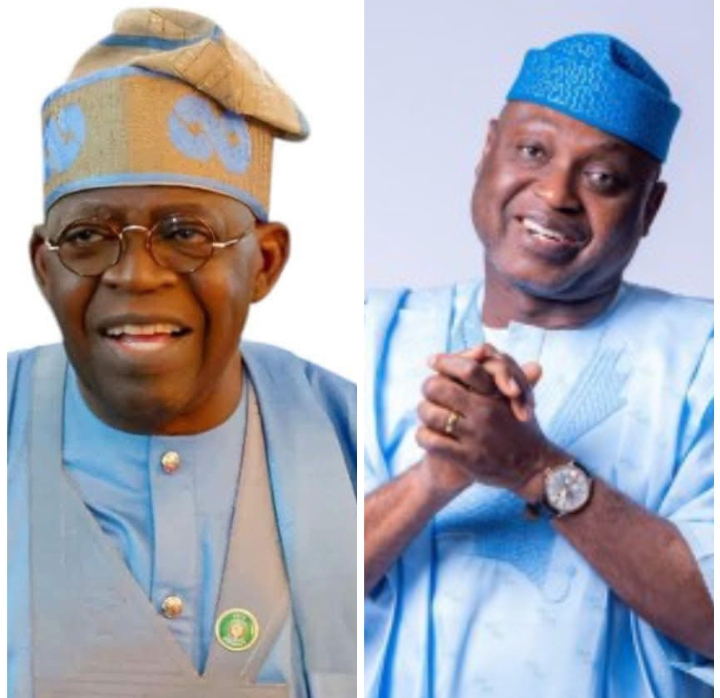
Politics more broadly followed a similar pattern. Our politics watch identified six stories during the week, and all six carried a negative tone. Tinubu appeared four times and Wike twice, while the APC, PDP and Rainbow Coalition were also connected to the conversation. One headline reported Wike responding to APC governors over the Rainbow Coalition, another quoted Fayose on Tinubu’s prospects against Atiku and Obi, while a third reported Fayemi encouraging Catholics to participate in politics.
There was also a headline concerning Omokri and an FBI investigation. Because our dataset only captures the headline in this case, we do not treat the headline itself as proof of the underlying claim. This is one reason data intelligence requires discipline. A headline is a useful signal for understanding what is being discussed, but it should not automatically be treated as complete evidence of what actually happened.
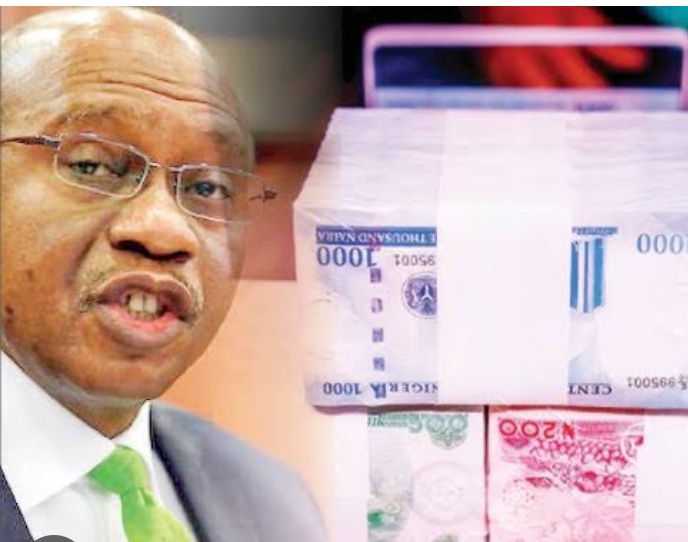
Then comes fuel price, where national politics meets everyday life. Our fuel price watch found only three articles, but two of them, or 66.7%, carried a negative tone. One focused on rising pressure on homes and businesses, another quoted an Atiku movement saying Nigerians cannot carry the burden alone, while a third examined the additional transport challenges faced by persons with disabilities.
The number of stories is small, so we should not overstate the finding. Yet the connection with the wider subsidy debate is important. Economic reform may be discussed in terms of macroeconomic stability, government revenue and corporate performance, but fuel prices are experienced directly by families, workers and businesses. That is why this part of the conversation deserves close attention in future weeks.
Interestingly, the wider economy produced a much more positive picture. Our economy watch recorded 13 stories, with 76.9% carrying a positive tone. These included reports about Turkish investors showing interest in Taraba’s agricultural products and the United States commending Nigeria for removing a 12-year entry condition linked to maritime security. Another story examined the management of the Nigerian economy under the title “Staying the Course but Pausing to Reflect.”
Tinubu and Aliko Dangote were each linked twice in this group. This gives us an interesting contrast: wider economic coverage was largely positive, while fuel-price coverage was more difficult. Both can be true at the same time. In fact, this difference is one of the most useful insights from the week’s data because it shows that the economic reform story cannot be understood from a single number. And that’s why the article is titled: Nigeria’s economy looks better, but politics and fuel prices tell a different story,
When we step back and look at the entire news environment, the scale becomes clearer. The pipeline tracked 2,297 articles: 1,409 negative and 888 positive. That means roughly six out of every ten stories carried a negative tone, though sentiment reflects the tone of coverage rather than what Nigerians personally believe.
The risk data adds another layer. The system classified 1,216 stories as medium risk, 502 as high risk, 494 as low risk, and 85 as critical. High- and critical-risk stories together accounted for 587 articles, or roughly one in every four stories. This does not mean that one in four Nigerians was personally facing a high-risk situation; it means the events reported in those stories were assessed by the pipeline as carrying higher levels of potential concern.
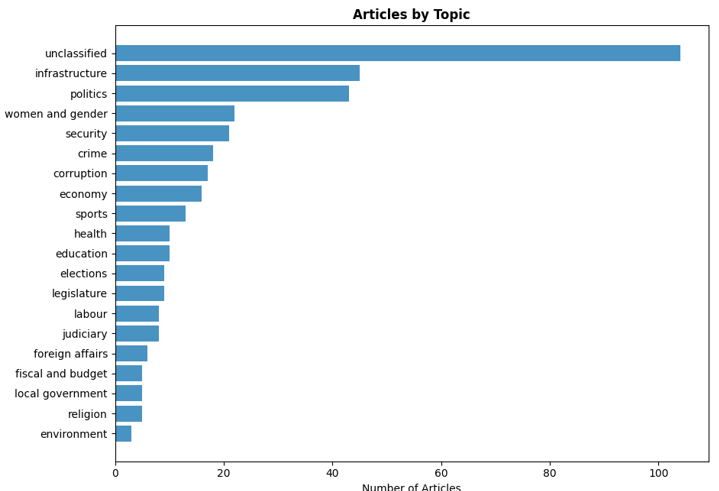
The topic distribution also tells us where the news conversation was concentrated. “Unclassified” was the largest group with 496 articles, followed by politics with 448, infrastructure with 327, women and gender with 134, and the economy with 133. Corruption accounted for 85 stories, crime 84, health 82, foreign affairs 70, elections 67, and security 65, while local government had only 16 stories.
That last figure deserves some attention, not because it proves that local government is unimportant, but because local government is where many everyday public services begin. At the same time, the “unclassified” category should not be treated as a group of stories without value. It included issues such as the NESG warning about manufacturing decline and a former lawmaker calling for fairness and merit in federal recruitment.
The infrastructure category also demonstrates why data needs context. It included a story about APM Terminals Apapa and 24-hour barge operations, but it also captured the Enugu building collapse and an NDLEA seizure of 2.3 tonnes of illicit drugs. Political stories also crossed category boundaries. A Labour Party chieftain’s legal action involving WAEC, UNN and NYSC over Peter Obi’s credentials is one example of how a single story can connect politics with education and public institutions.
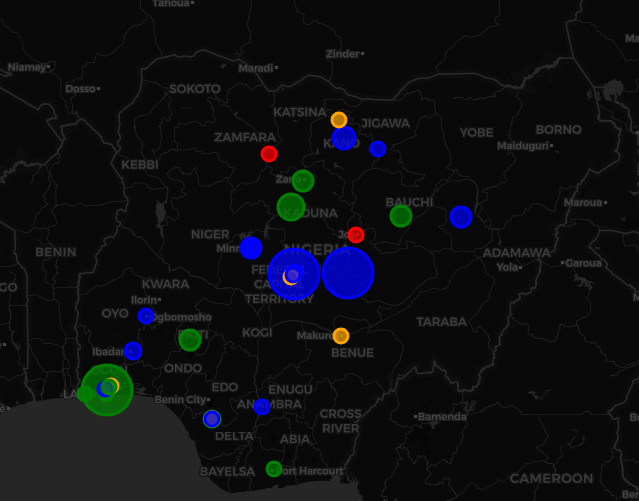
Geography gives us another useful lesson. The two most common location labels were actually not specific places. “Nan,” which means that no location was recorded, appeared 632 times, while “Nigeria” appeared 619 times. That means 1,251 location mentions could not be tied to a specific town or state.
Among identifiable places, Abuja and Lagos were tied at 224 mentions each. Africa followed with 123, the United States with 106, the United Kingdom with 68, and Kaduna with 63. We did not identify a specific Kaduna story in this week’s sample that would explain why it ranked that high, so we will not manufacture an explanation. Good data intelligence sometimes means knowing when the available data is not enough to support a conclusion.
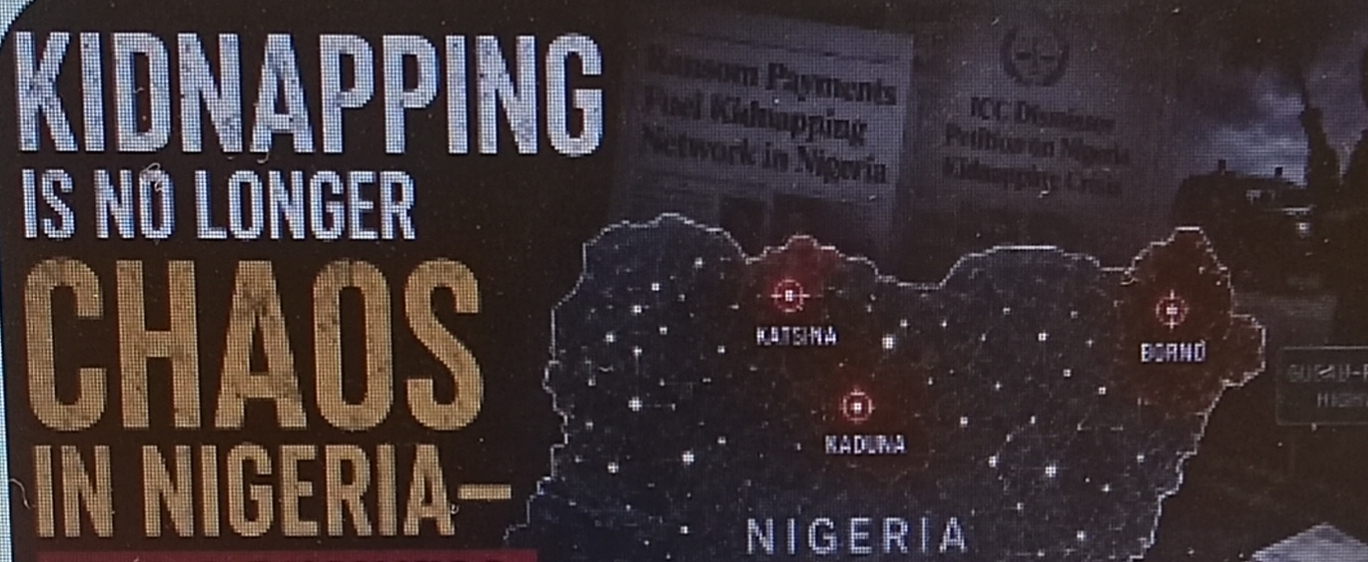
The security data also deserves attention. Among the 85 critical-risk stories were reports of troops arresting a suspected kidnapper with a gun in Edo, police reports about gunmen abducting six imams in Zamfara, and a four-storey building collapse in Enugu that killed one person and trapped others. High-risk stories included the arrest of a suspected fake okada rider in Bauchi over robbery and rape, as well as another army arrest involving an armed kidnapping suspect in Edo.
There is an important caution here too. The Enugu building collapse appeared in more than one headline, meaning that the same event can contribute more than once to the article count. Even with that limitation, the data shows that kidnapping and public safety remained important warning signals during the week. These issues also connect with the political conversation because security is one of the areas where citizens judge government action through real-life experiences.
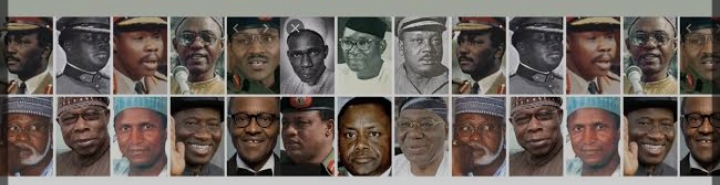
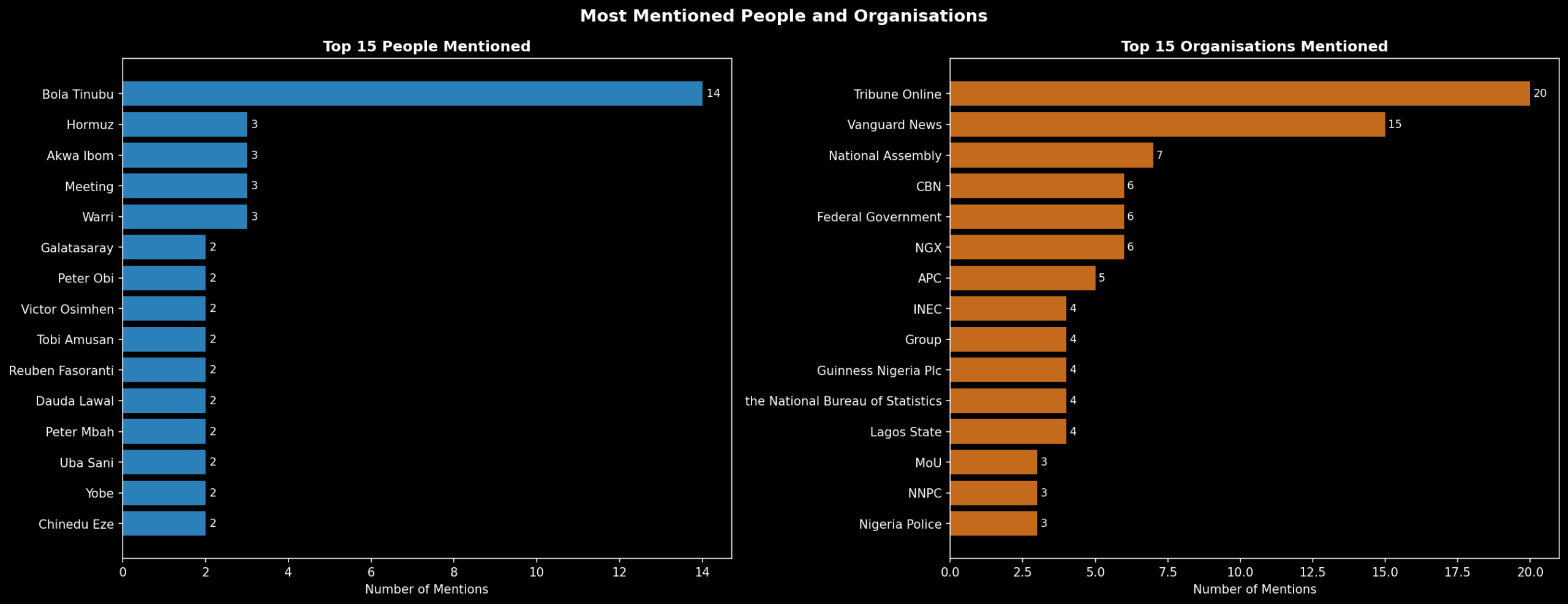
The people appearing most frequently in the dataset reinforce the central role of the President in the week’s news. Tinubu was mentioned 363 times, compared with 99 for Atiku, 96 for Obi and 79 for Wike. Shettima appeared 37 times, Dangote 34 times, and Bamanga Tukur 25 times.
We do not have enough evidence in this week’s dataset to explain why Tukur appeared 25 times, so we will leave that question open. What we can say from the numbers is that Tinubu remained the dominant individual figure across the week’s news. Whether the subject was economic reform, fuel prices, security, elections or political coalitions, the President remained close to the centre of the conversation.
And this brings us to one of the most interesting findings of the week. Economic stories were mostly positive, fuel stories were mostly negative, and the politics category was entirely negative. At the same time, the government side continued to present the reforms as a difficult but necessary process, while much of the opposition coverage remained focused on coalition building and leadership.
For ordinary Nigerians, however, the most useful question may be simpler. What will these political and economic conversations mean for the price of food, transport, fuel, jobs, business and public services? That is where political debate becomes everyday reality, and it is also where data intelligence can help move the conversation from slogans to measurable outcomes.
Looking ahead, our forecast is an informed expectation rather than a promise. The data suggests that Tinubu is likely to remain a major subject of news coverage while the coalition debate and 2027 discussions continue. Fuel prices and the subsidy debate may also remain prominent, while kidnapping and public safety deserve continued monitoring because of the security and building-safety stories recorded this week.
One development would significantly change the character of the conversation: a clearly defined opposition economic programme with measurable proposals. Such a development would give citizens something more concrete to compare with the government’s existing reform narrative. In the same way, stronger reporting on the results of current policies would help Nigerians move beyond arguments about intentions and focus more closely on outcomes.
This is ultimately what the EphraimHill DC approach to civic data intelligence is designed to do. We are not simply counting headlines or repeating what people are saying; we are looking for patterns across thousands of stories and asking what those patterns can tell us about the issues shaping Nigeria’s public conversation.
The lesson from this week’s data is therefore not that one side has won the conversation. It is that Nigeria is having several important conversations at the same time: political competition, economic reform, fuel prices, security, infrastructure and the future of the economy. The opportunity is to make those conversations clearer, more evidence-based, and more useful to the people who ultimately live with their consequences.
Everything in this DataStory comes from the EphraimHill DC data pipeline, and the numbers can be examined further. The full source dataset is available through the Data Lab, where researchers, students and journalists can verify the figures and explore the underlying information. The Data Intelligence page also provides dashboards and geo-maps that help show where the week’s stories are coming from and how the national conversation is changing over time.
Next week, the numbers will tell us whether these patterns are becoming stronger or beginning to change. That is the value of tracking the story continuously: instead of relying on one headline or one political argument, we can watch the data evolve and allow the evidence to reveal what deserves our attention.
EphraimHill DC is Nigeria’s civic data intelligence platform, where we track, analyse, and interpret national developments to help Nigerians understand the deeper patterns behind public events. Our analysis is institutional, evidence-based, and politically neutral.


























![The Trend of Insecurity in Nigeria. [Part 2]](https://ephraimhilldc.com/wp-content/uploads/2024/09/Computer-Monitoring-of-Remote-areas.png)