EphraimHill DC- Weekly Civic Data Intelligence | 4 July 2026 |By Idowu Ephraim Faleye
This week’s Nigeria civic intelligence data tracked 1,177 news stories across politics, crime, security, infrastructure, and more, and the numbers reveal a pattern that ordinary headlines miss. Of every ten stories, roughly two carried a HIGH-risk label, and about four in every hundred were flagged as CRITICAL, totalling 206 high-risk stories and 38 critical incidents in just seven days, from 28 June to 04 July 2026. Real events sit behind those figures: a joint Lagos-Ogun police task force arresting 92 suspects and rescuing five kidnap victims in the South-West, gunmen killing two police officers in Rivers State in the South-South, and a gang murdering a Benue Miyetti Allah chairman along with a friend in the North-Central. These are not abstract statistics; they are the week Nigerians actually lived through, playing out across every region of the country.
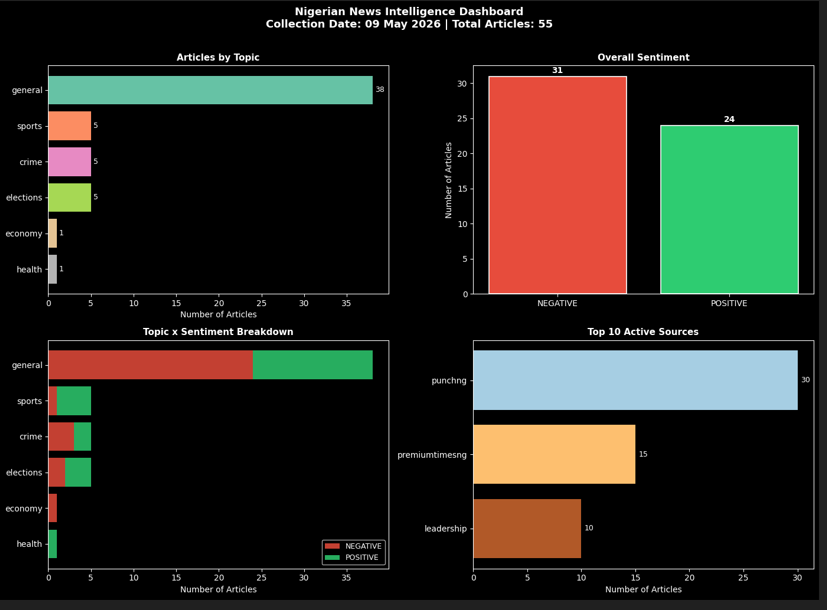
Let’s start with the week in numbers, because they set the stage for everything else. Of the 1,177 articles tracked, 476 carried LOW risk, 457 carried MEDIUM risk, 206 carried HIGH risk, and 38 carried CRITICAL risk. The average risk score across all coverage sat at 0.437, which tells you the week leaned toward caution rather than calm. On sentiment, the country’s news mood was mixed but tilted negative: 613 negative stories against 564 positive ones. That gap is not huge, but when nearly half of the coverage carries a negative tone in a single week, it is worth taking seriously rather than brushing it aside.
Read Also: Ekiti Celebrates, Nigeria Watches: What 853 Headlines Told Us This Week
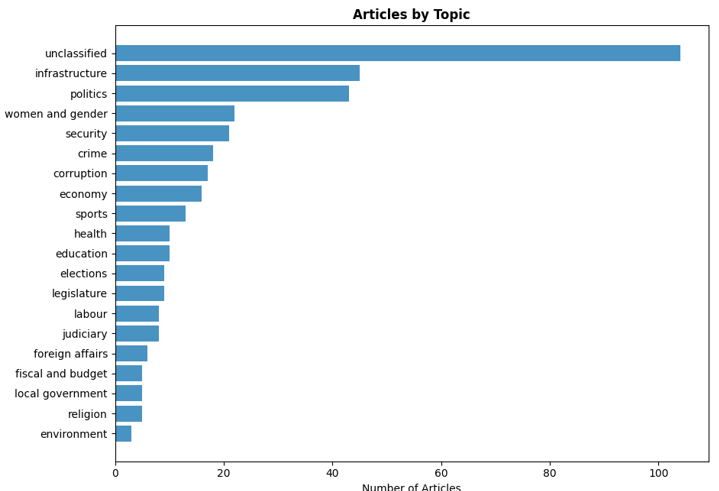
Now, to what dominated the conversation. The single biggest topic bucket was “general” at 402 articles, followed by “unclassified” at 199, meaning a large share of this week’s news does not fit neatly into one lane, an entertainment story, a sports result, or a human-interest piece with political undertones woven through it. Still, when you look past those catch-all categories, politics led the substantive topics with 92 articles, followed by infrastructure at 87 and crime at 71. Elections drew 44 stories, and security drew 31, both worth watching closely given how the risk numbers stack up. Women and gender issues also featured prominently, with 34 articles, more coverage than corruption itself, which sat at 24.
Infrastructure’s 87 articles are not surprising once you look at what was actually happening on the ground this week, because Abuja alone produced a stream of visible, commissioned projects rather than distant announcements. President Tinubu commissioned the rehabilitated 16-kilometre Old Keffi Road and approved the Kaba-Kagini-Zaudna Road after residents complained of poor access, while a parallel report tracked Nyesom Wike’s Katampe road network, complete with solar lighting, drainage, and sewer works, alongside a 194-kilometre water network reaching satellite towns like Karu, Orozo, Jikwoyi, and Kurudu. That local FCT push landed in the same week as much bigger federal news: the Federal Executive Council approved roughly N3.94 trillion for 25 road projects across ten states, a separate report put a related approval at N2.078 trillion covering 23 major roads including a Dangote-financed tax-credit arrangement, and President Tinubu was reported to have personally approved 27 road projects worth over N3.9 trillion spanning 15 states, among them the Ibadan-Ife-Ilesa Road, the Kano-Kongolam Road, and the Abuja-Lokoja Road. With federal approvals running into the trillions and FCT projects being physically commissioned in front of cameras in the same seven-day window, infrastructure’s 87 articles reflect a governance story that was actively unfolding, not one being talked about after the fact. That combination, visible commissioning happening alongside large-scale federal approval, is exactly the kind of signal that tends to push infrastructure coverage right up against politics in a given week, and this week was no exception.
What does that topic mix actually mean for someone trying to read the room? It means Nigeria’s information space this week was not dominated by one single crisis, but rather a spread of pressure points. Infrastructure at 87 articles, so close behind politics, suggests public attention on roads, power, and development projects has not faded, even as political and security stories compete for space. Crime at 71 articles, alongside just 31 for security specifically, hints that day-to-day criminal incidents are being reported more frequently than structural security policy discussions. That is a pattern policymakers should notice: the public is hearing more about individual crimes than about the security strategy meant to prevent them.
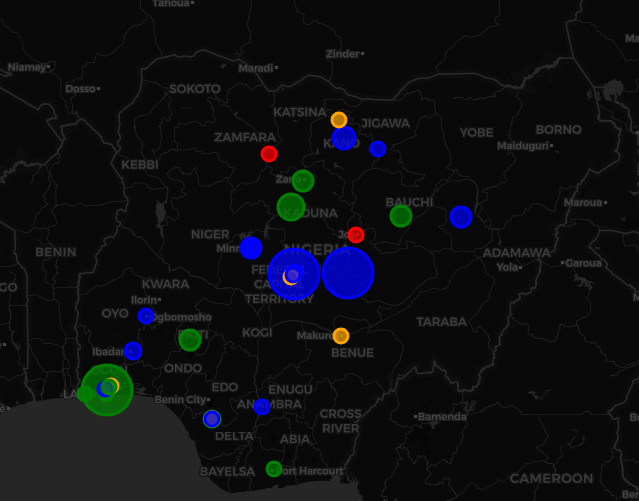
Turning to where the pressure is actually building, the geographic picture is telling. Nigeria as a country was mentioned 295 times, Abuja followed with 128 mentions, and Lagos with 105, which is expected given they are the political and commercial centers. But look closer at the risk advisory signals layered on top of this. The data flags the South-South as this week’s highest-risk geographic hotspot, with a risk index of 0.95, the highest of any location tracked. That is a striking number, and it sits somewhat apart from the raw mention counts, which suggests the South-South is not necessarily where the loudest headlines are, but where the underlying risk is most concentrated.
This is exactly the kind of gap decision-makers need to pay attention to. A location can be quietly building risk even while it is not dominating the national conversation the way Lagos or Abuja naturally do. If the South-South is sitting at a 0.95 risk index while other locations get more mentions, that is a mismatch between attention and actual danger. Governments, security agencies, and civil society groups that only follow headline volume could miss where the real pressure is building. This week’s data suggests the South-South deserves closer monitoring, not because it is loud, but because the numbers say it is hot.
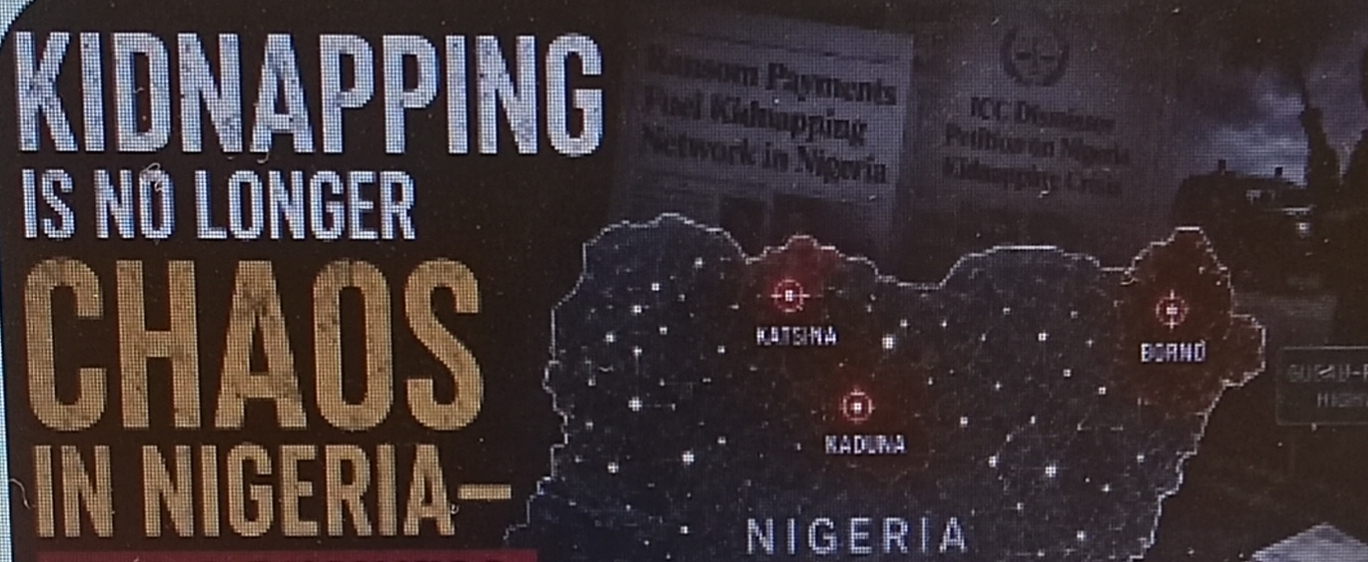
Now for the risk advisory that matters most to anyone making decisions today. The early warning signal for this week is direct: security-related coverage carries a risk score of 0.88, yet it is receiving below-average coverage volume relative to that risk. In plain terms, security is one of the most dangerous topics this week, but it is not getting the attention its risk level would justify. Only 31 articles covered security specifically, compared to 92 for politics and 87 for infrastructure. When a high-risk topic is under-covered, it tends to build quietly until it becomes an emergency that can no longer be ignored.
Decision-makers should treat that gap as an actionable signal, not a footnote. Security agencies and state governments, especially those covering the South-South, should be reviewing intelligence on the ground now, rather than waiting for the next major incident to force a reaction. Journalists and newsrooms have an opportunity here too: under-covered high-risk topics are often under-covered precisely because they are harder to report on safely or access reliable sources for, but that is also where the public most needs clear, careful reporting. NGOs working in security-sensitive states should treat this week’s numbers as a cue to check in with local partners and confirm nothing is being missed on the ground.
Read Also: The Campaign Season Is Returning Early: Even as Governance Pressures Intensify
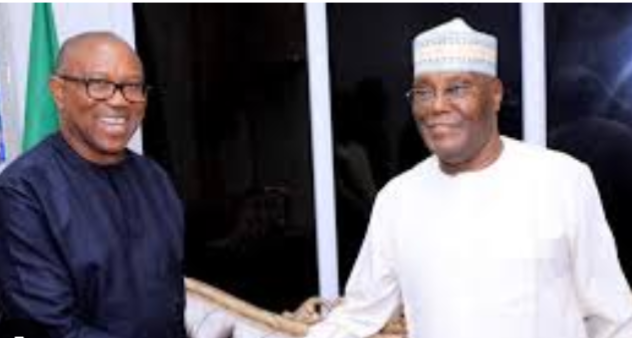
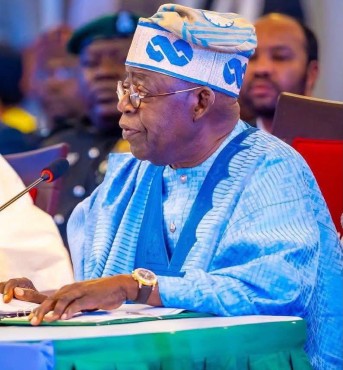
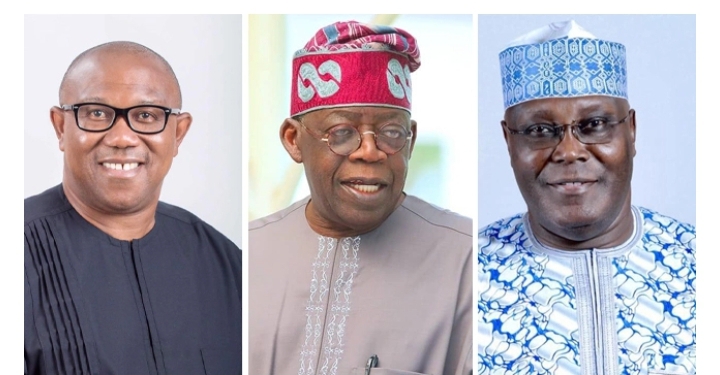
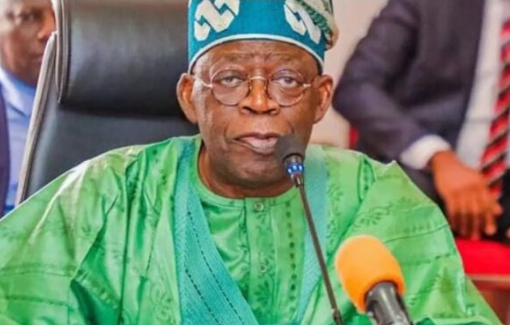
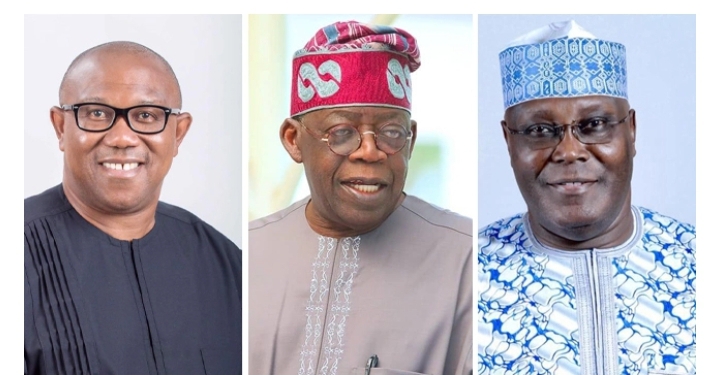
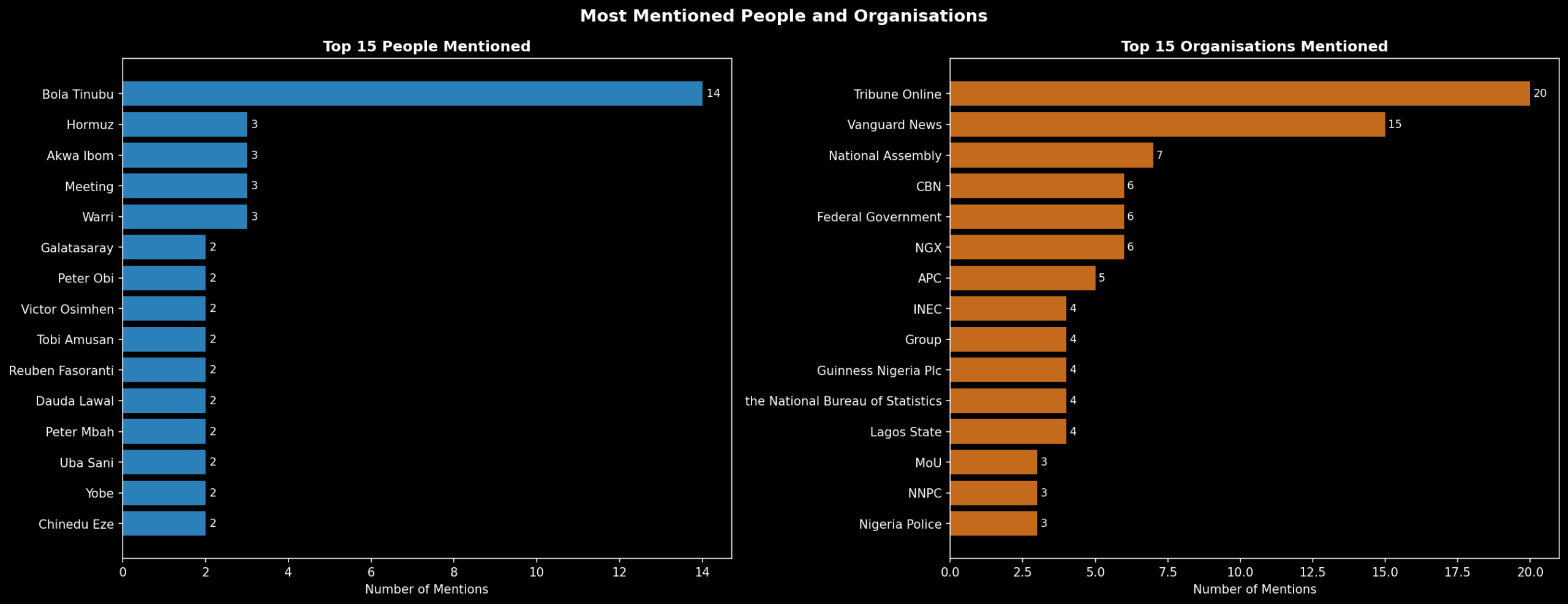
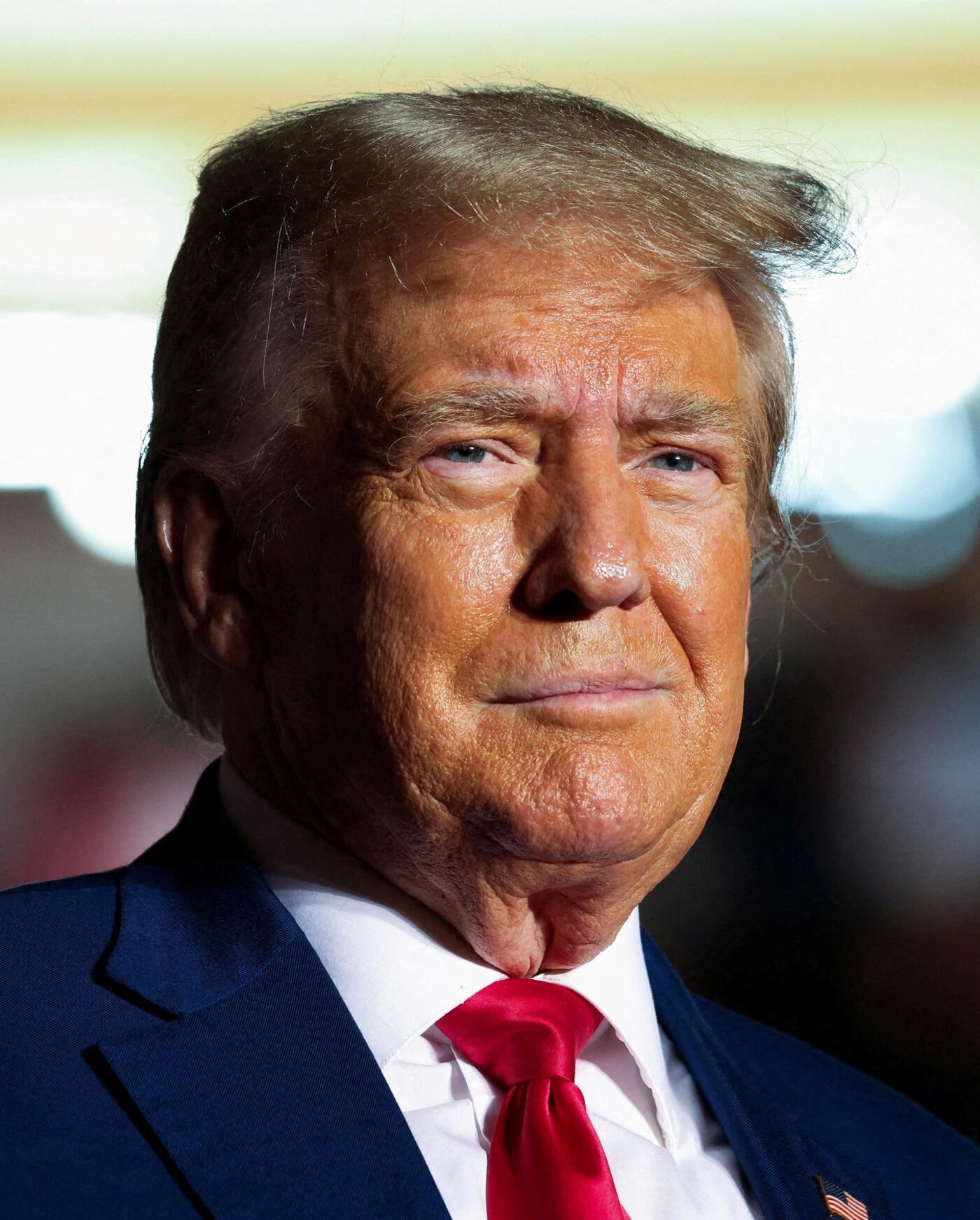
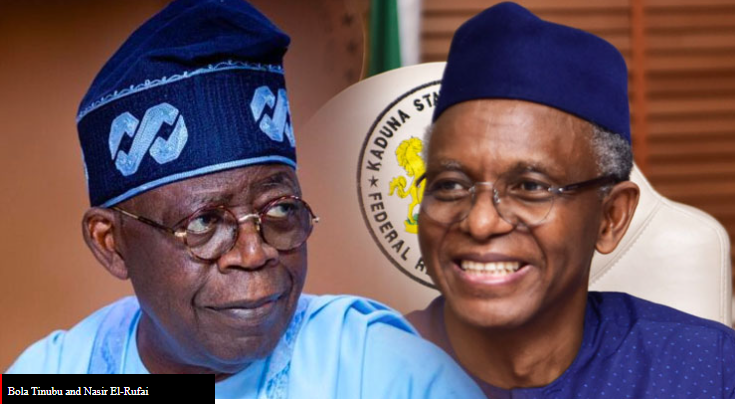
Among the people shaping this week’s coverage, one name towers above the rest. President Bola Tinubu was mentioned 133 times, more than four times the next closest political figure. Atiku Abubakar followed with 22 mentions, and Peter Obi appeared 16 times, tying with an unexpected name: former US President Donald Trump, also mentioned 16 times, reflecting Nigeria’s continued attention to US-Iran tensions and their global ripple effects. Oluremi Tinubu, the First Lady, appeared 14 times. Interestingly, footballer Lionel Messi appeared a combined 27 times across two entity listings, a reminder that World Cup coverage this week genuinely competed with politics for public attention, and is part of why “general” and “sports” topics carried such a large share of total articles.
That attention pattern lines up closely with what actually drove coverage of the First Lady this week. A wave of opinion pieces and letters came out in her defence after she urged Nigerian women toward productivity and small-scale business, with commentators reframing the remarks, popularly tagged “Iya Alakara,” as a call to economic self-reliance rather than the criticism some had read into them. Alongside that defence, reports tracked her addressing APC women’s groups directly, urging them to carry the Renewed Hope Agenda to the grassroots and holding up three years of Renewed Hope Initiative programmes as a foundation for the party’s mobilisation push toward 2027. Weekly recap columns added a lighter layer on top, picking up the nickname and slotting her alongside major national stories in their roundups, which likely helped keep her mention count steady across multiple outlets rather than concentrated in one place. Read together, these threads show her 14 mentions were not scattered or incidental this week; they were the product of a single storyline running in parallel across opinion, party mobilisation, and light news coverage all at once, even as crime, security, and international conflict news dominated everything else.
Beyond the raw numbers, two advanced intelligence signals from this week deserve special attention because they reveal patterns a normal news reader would never spot on their own. The first is what the system flags as a contradiction alert: 47 articles this week used positive or neutral framing while reporting on events that were independently scored as high-risk. The clearest example is the story about the Lagos-Ogun police task force arresting 92 suspects and rescuing five kidnap victims, an operation that is genuinely good news on the surface, but which also confirms that organized criminal activity at that scale was happening in the first place. When good-news framing sits on top of high-risk underlying events, readers can walk away reassured when the situation actually calls for continued vigilance.
The second signal is what the system calls hidden stories: two pairs of articles this week were found to be about the same or very similar underlying events, yet were classified under different topic categories. This matters because it means related developments can end up scattered across a newsroom’s or an agency’s monitoring systems, filed under different desks, and never connected by the people who most need to see the fuller picture. For an agency trying to build a complete threat assessment, or a newsroom trying to avoid missing a bigger story, these hidden connections are exactly the kind of blind spot that data-driven monitoring exists to catch.
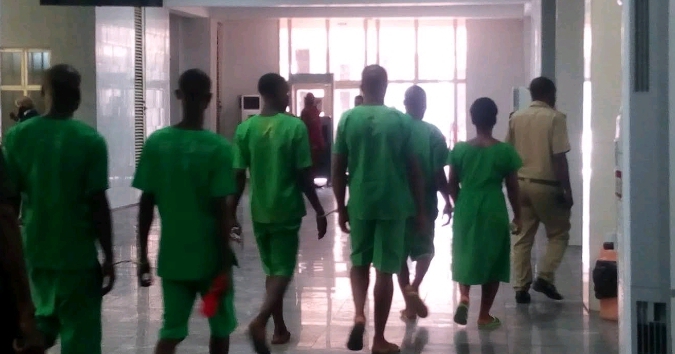
So, what should different groups actually do with all of this? For government officials and security agencies, the clearest action is to treat the South-South’s 0.95 risk index and the under-covered 0.88 security risk score as a combined early warning, not two separate footnotes. That combination suggests a region and a topic area building pressure faster than public attention is tracking it. For journalists, the advisory is to look past the World Cup and celebrity-driven “general” coverage this week, valuable as it is for readership, and dedicate more resources specifically to security reporting in the South-South, where the risk-to-coverage gap is widest. For NGOs and civil society groups, the 34 articles on women and gender issues this week, alongside the reported case of four men sentenced to 95 years for gang-raping and impregnating a 13-year-old girl in Niger State, suggest continued need for protective advocacy and monitoring, particularly in states where such cases are being prosecuted and reported.
For the general public, the honest takeaway from this week’s data is that Nigeria’s news cycle can feel calm on the surface, dominated by World Cup results, celebrity news, and routine political coverage, while specific risk indicators quietly climb underneath. That is not a reason for alarm, but it is a reason for informed attention. The gap between what dominates headlines and where real risk concentrates is precisely why data-driven civic intelligence exists: to help ordinary citizens, journalists, and decision-makers see past the noise of any single week and notice the patterns that matter.
This week’s numbers, read together, tell a clear story: Nigeria’s crime and security risk did not disappear just because sports and general interest stories crowded the front pages. It moved toward the South-South, and it moved into a topic category, security, that is not getting the coverage its risk score demands. Whether you are in government, in a newsroom, in an NGO, or simply someone trying to stay informed, the message from this week’s data is the same: watch the quiet places, not just the loud ones. For deeper access to this analysis, the underlying datasets, and ongoing weekly intelligence briefs, visit EphraimHill DC, where the pattern is always visible before the story breaks.
EphraimHill DC is Nigeria’s civic data intelligence platform. We track, analyse, and interpret national developments to help Nigerians understand the deeper patterns behind public events. Our analysis is institutional, evidence-based, and politically neutral.




















![The Trend of Insecurity in Nigeria. [Part 2]](https://ephraimhilldc.com/wp-content/uploads/2024/09/Computer-Monitoring-of-Remote-areas.png)