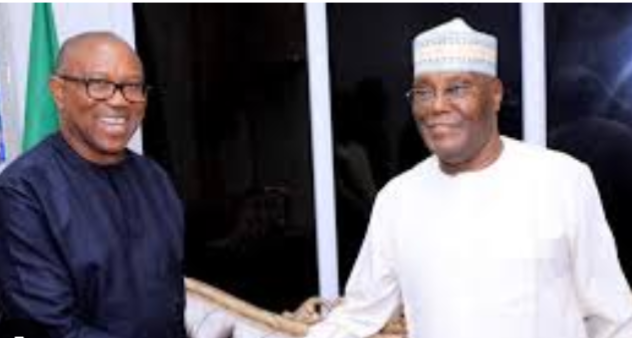
Atiku and Obi are still operating on separate platforms while talks about a single opposition ticket remain unsettled
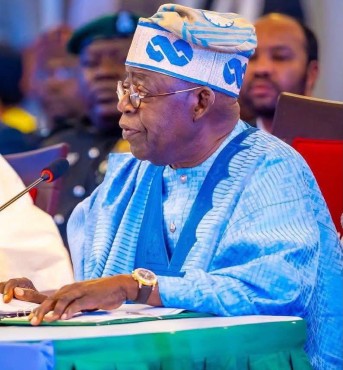
Tinubu’s record in Nigeria is becoming a central issue in the country’s political conversation as the 2027 election cycle approaches
Nigeria’s economy looks better, but politics and fuel prices tell a different story, and the data helps explain why
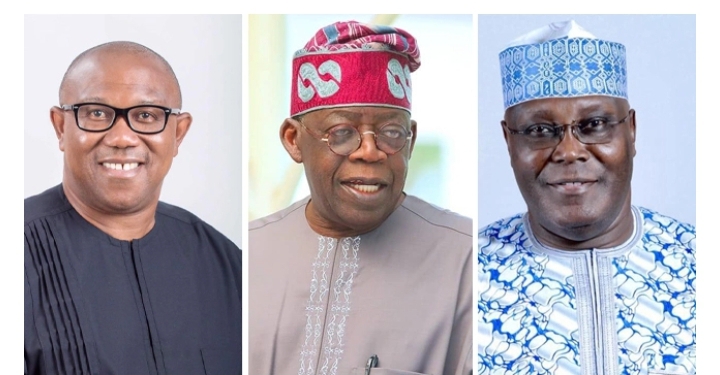
Nigeria’s opposition wants one voice for 2027 — but 60% of this week’s coverage says unity is slipping. That is the real headline this week, and the numbers back it up.
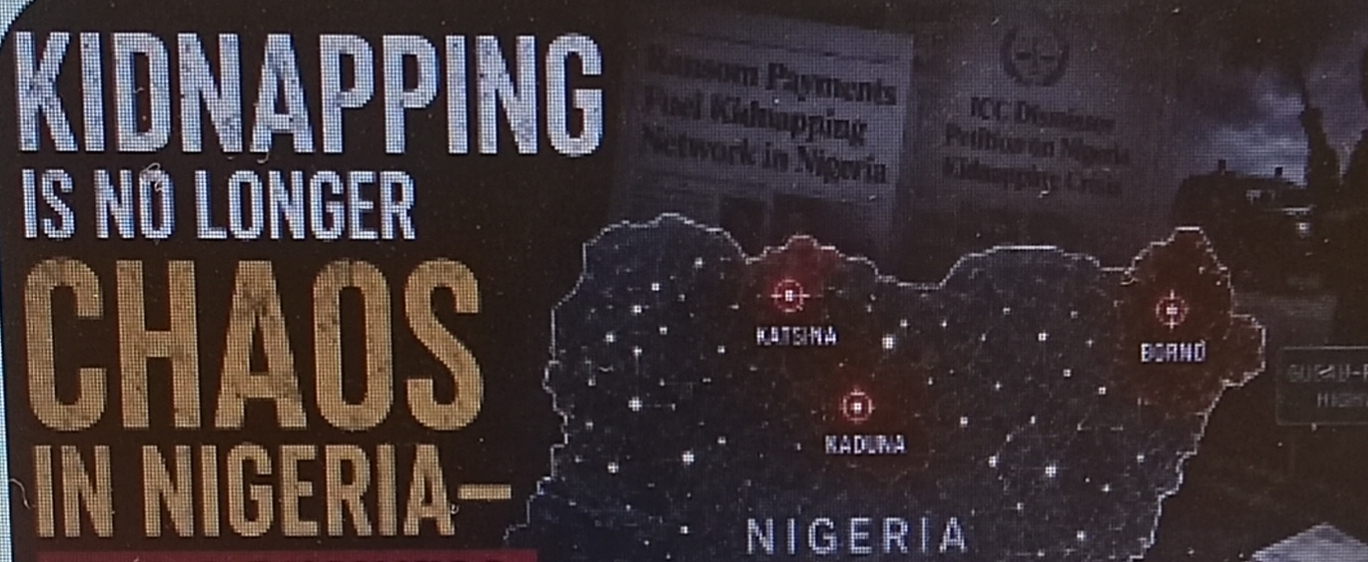
Kidnapping Is No Longer Chaos in Nigeria. That is the uncomfortable picture emerging from two very different developments this week
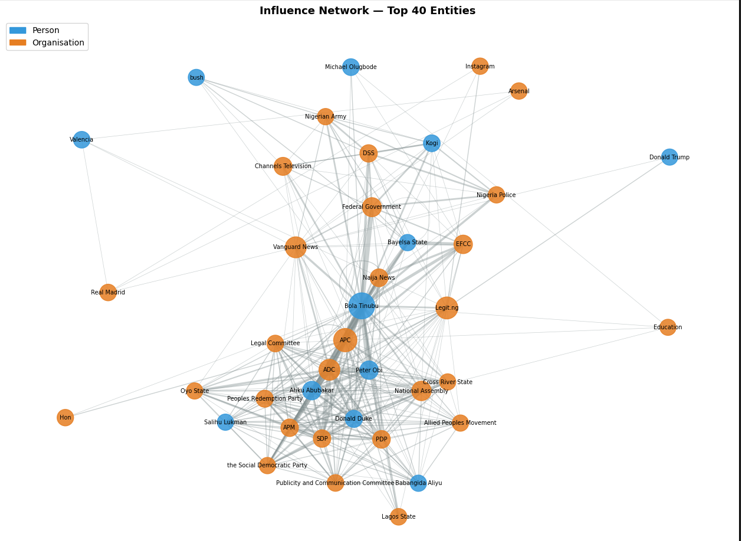
August 2026 was not simply a month of individual crises. The data suggests a country dealing with several pressures at the same time, with security, politics, governance and public confidence competing for attention.
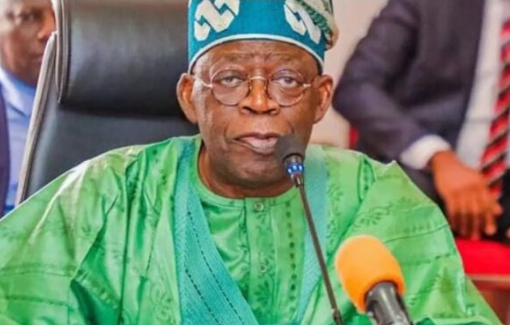
That is why Tinubu’s Rainbow Coalition Is Outpacing Nigeria’s Opposition is more than a story about one political group gaining an advantage over another
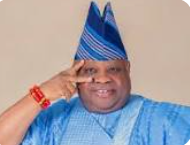
Ademola Adeleke has won the Osun governorship election, but the result is only the beginning of the story.
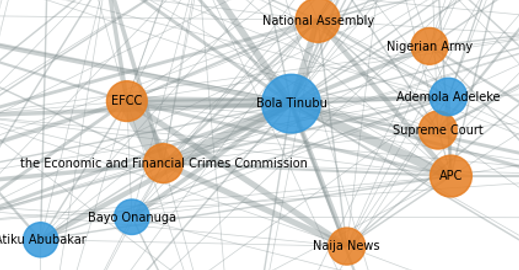
This week’s story is best described as “Frozen Accounts, Fiery Politics.”
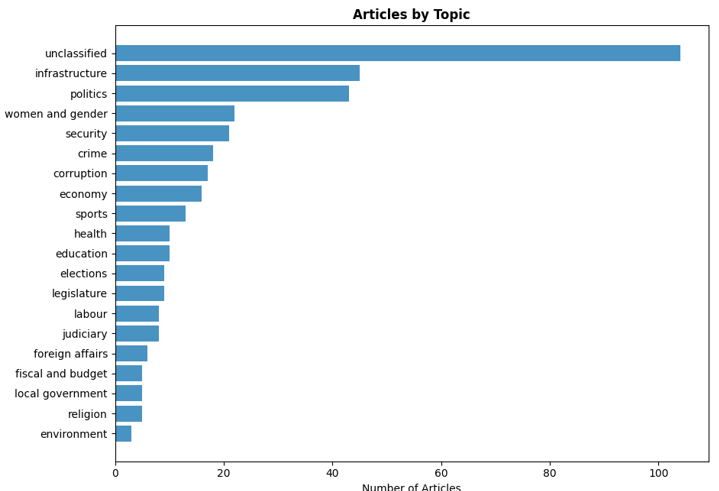
Of every ten stories, roughly two carried a HIGH-risk label, and about four in every hundred were flagged as CRITICAL, totalling 206 high-risk stories and 38 critical incidents in just seven days, from 28 June to 04 July 2026