EphraimHill DC- Weekly Civic Data Intelligence | 08 August 2026 | By Idowu Ephraim Faleye
If you want to understand where Nigeria’s political temperature is rising, Osun State is one of the places to watch. The EphraimHill Pipeline tracked 2,519 news articles across Nigeria between August 2 and August 8, 2026, and one story clearly stood out from the rest: the Economic and Financial Crimes Commission’s decision to freeze the accounts of the Osun State Government ahead of the August 15 governorship election. The development quickly moved beyond a financial investigation and became part of a much larger debate about political timing, institutional independence, federal-state relations and the credibility of the election. That is why this week’s story is best described as “Frozen Accounts, Fiery Politics.”
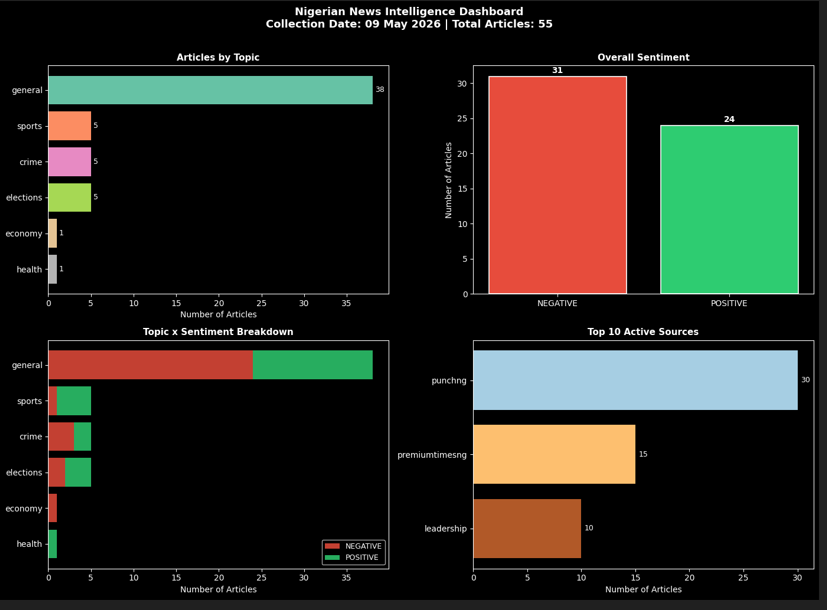
The numbers provide the first warning. Of the 2,519 articles tracked during the week, 1,476 carried a negative tone, compared with 1,043 positive articles, showing that the general national mood was more uneasy than positive. On the risk scale, 107 articles were classified as critical, 533 as high risk, 1,243 as medium risk and 636 as low risk, producing an average risk score of 0.496. In simple terms, Nigeria was not in a full-blown national crisis, but the country was clearly operating in a space between relative calm and growing concern.
Read Also: Nigeria’s Week of Hidden Pressure: Risk Score of 0.95 in The Education Sector.
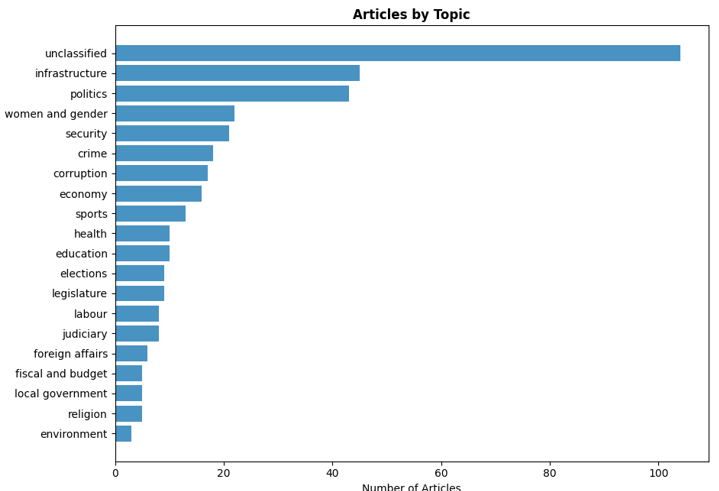
The distribution of the news also tells us what Nigerians were talking about. Politics led the identifiable topics with 396 articles, followed by infrastructure with 281, women and gender issues with 175, the economy with 147 and corruption with 118. Security generated 106 articles, crime 89 and the legislature 81, showing that governance concerns were spread across several areas rather than being concentrated in one subject. Interestingly, elections accounted for only 34 articles nationally, which makes the Osun story even more significant because its real influence extended beyond the category of “elections.”
This is where data intelligence becomes important. The EFCC action was not simply an election story; it connected elections with corruption, governance, federal-state relations and institutional trust. A conventional news count might separate these subjects into different categories, but the EphraimHill Pipeline allows us to see the connections between them. In this case, the connections reveal how one institutional action became a national political flashpoint just days before voters were expected to make a decision.
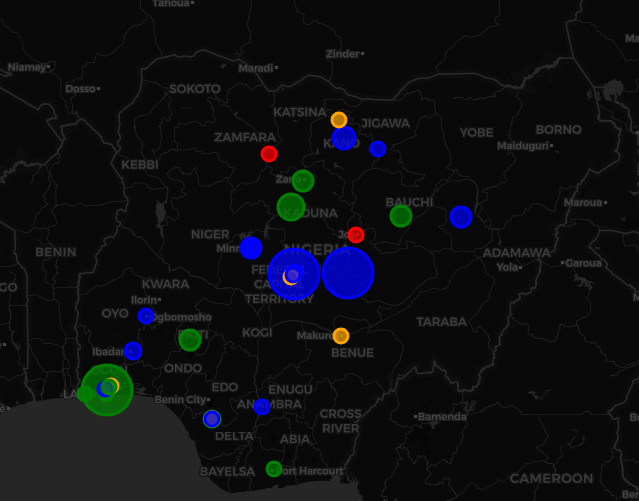
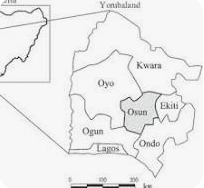
The geographical data reinforces the same point. Abuja and Lagos recorded the highest number of mentions, with 244 and 188 respectively, while Osun State recorded 59 mentions during the week. What makes the Osun figure important is not simply the number itself, but the fact that the mentions were heavily concentrated around one major controversy rather than spread across routine political and governance stories. Compared with Kaduna’s 55 mentions and Kano’s 36, Osun’s sudden attention looks less like normal news activity and more like a developing political hotspot.
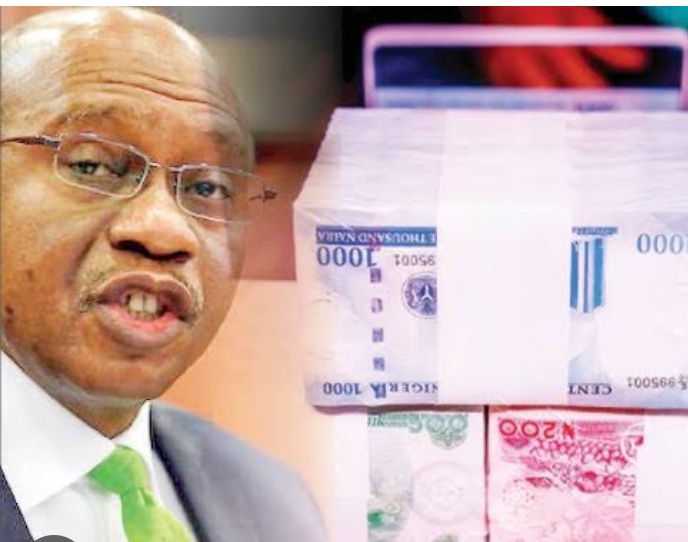
The turning point came on August 5, 2026, when the Economic and Financial Crimes Commission obtained a court order to freeze the accounts of the Osun State Government. The action was reportedly connected to allegations concerning the handling of about ₦11 billion in ecological and intervention funds. The Osun State Government rejected the allegation, described the action as politically motivated, and maintained that the funds had already been disbursed, including money intended partly for worker palliatives.
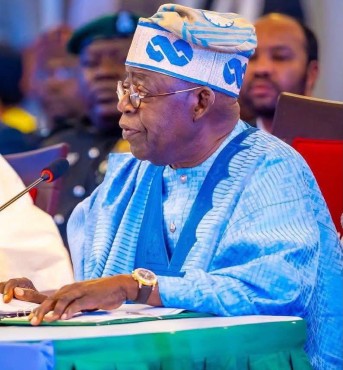
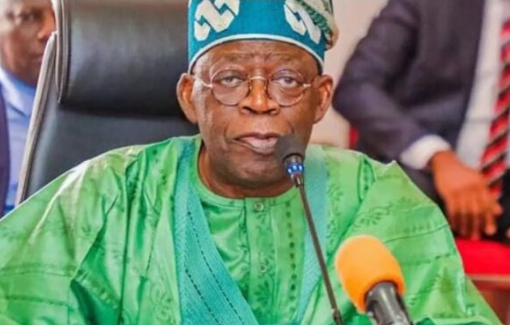
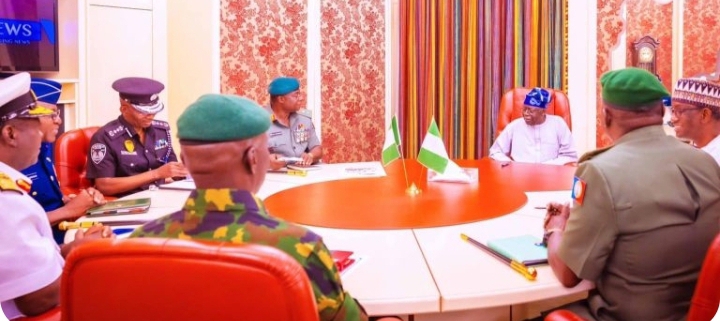
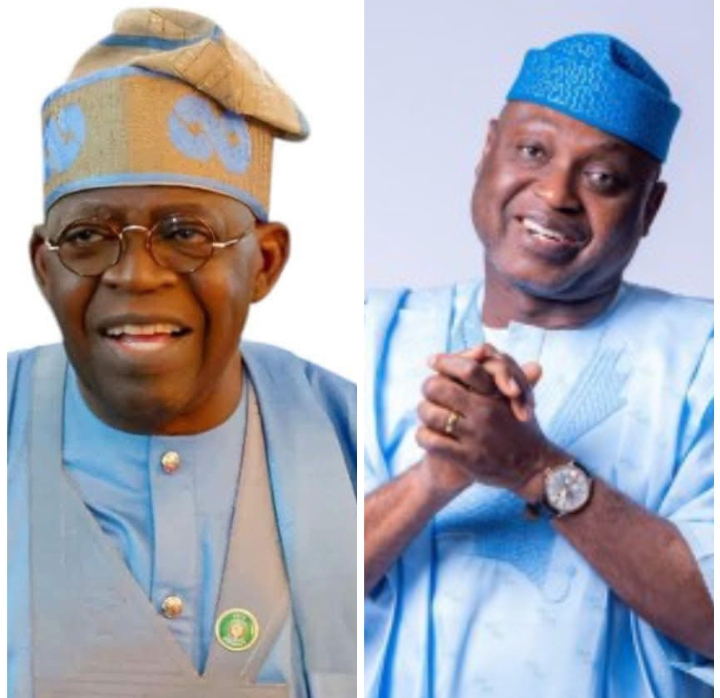
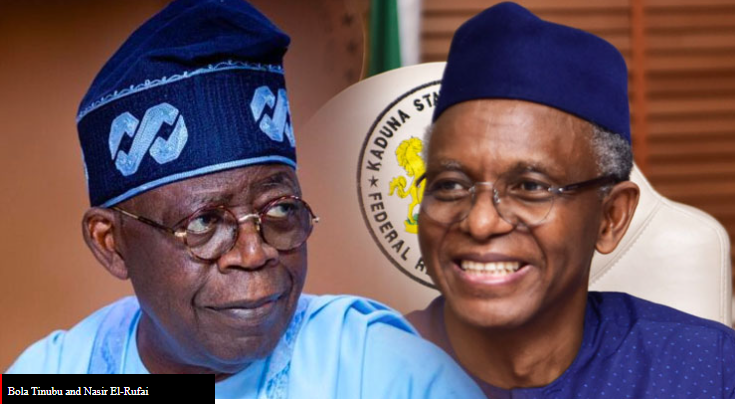
The controversy became even bigger when President Bola Tinubu intervened. He directed the EFCC to return to court and seek the cancellation of the order, saying he was “deeply embarrassed” by the timing of the action, which came only ten days before the Osun governorship election. President Tinubu also personally called Governor Ademola Adeleke to inform him of the reversal. The sequence was therefore clear: freeze, backlash, presidential intervention and reversal.
That sequence changed the political meaning of the original EFCC action. What might initially have been viewed as a financial investigation quickly became a national argument about whether anti-corruption powers were being exercised at the right time and whether the timing could affect public confidence in the Osun election. It also placed the President in the difficult position of defending the authority of an anti-corruption institution while at the same time questioning the timing of its action. In an election environment, timing is not a minor detail because even an otherwise legitimate institutional action can become politically sensitive when it occurs immediately before voting.
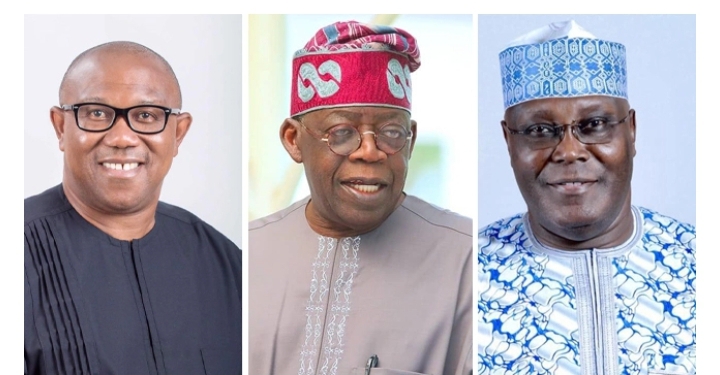
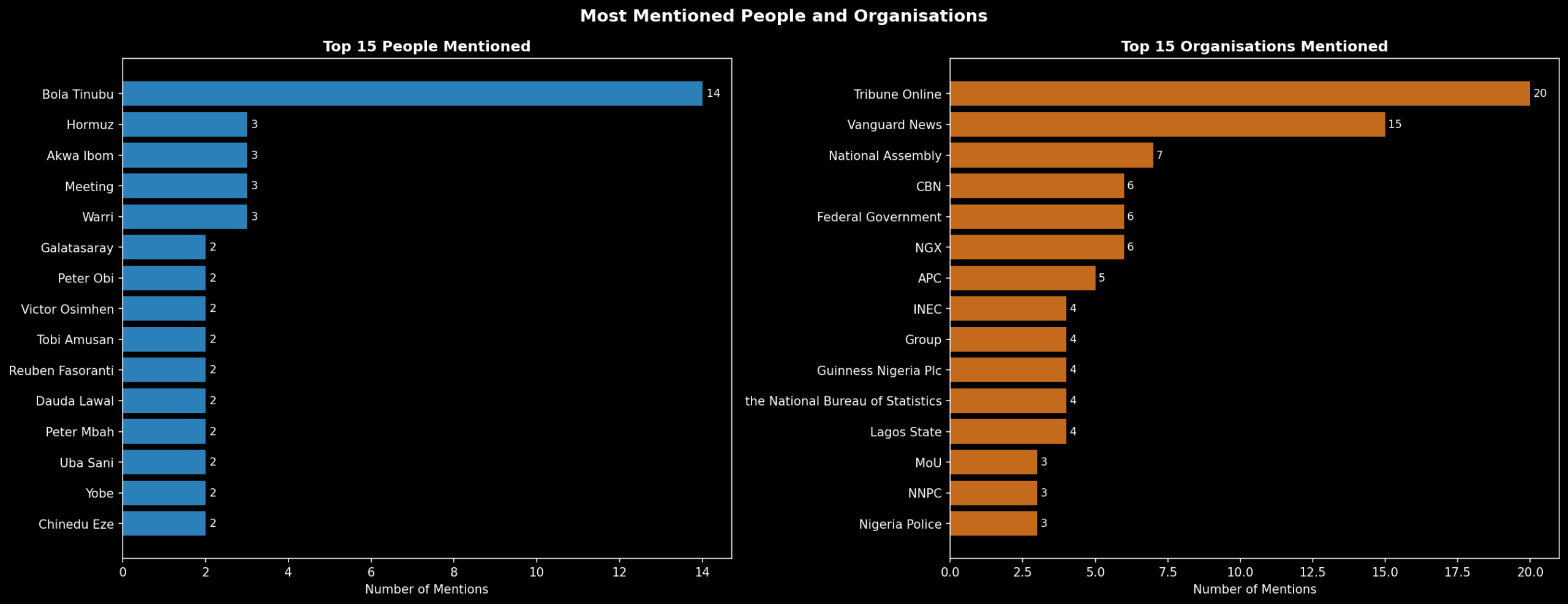
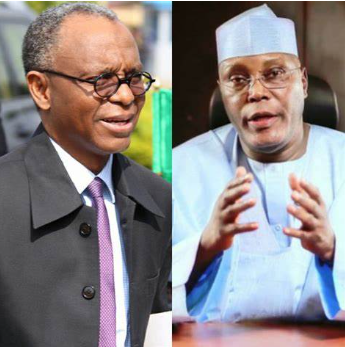
The media data confirms how widely the controversy spread. Bola Tinubu appeared 448 times in the week’s coverage, making him by far the most mentioned public figure nationally, while Ademola Adeleke recorded 59 mentions, largely connected to the Osun controversy. Atiku Abubakar appeared 94 times, partly because of his criticism of the EFCC’s timing, while Nyesom Wike recorded 88 mentions and Peter Obi 43. When the President, a state governor, an opposition leader and other major political figures become linked to one issue within a single news cycle, the data is telling us that the issue has moved beyond a local dispute.
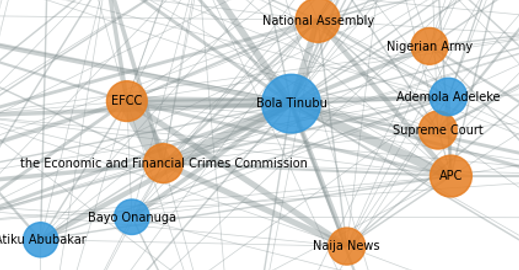
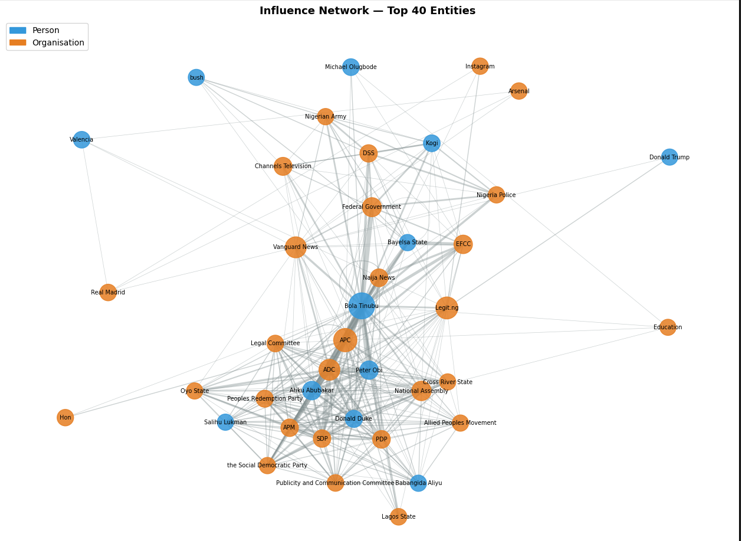
The influence network generated from the week’s coverage makes this even clearer. Bola Tinubu sits at the centre of the network, with strong connections to the EFCC, Ademola Adeleke, the APC, INEC, Atiku Abubakar and presidential spokesman Bayo Onanuga, while the Osun State Government is closely connected to the same cluster. This means the Osun EFCC controversy was not simply a disagreement between Abuja and Osun State. It became a national story involving the Presidency, the ruling party, the opposition, the anti-corruption agency, the electoral commission and the state government.
That is what makes the Osun State election 2026 more than a normal governorship contest. The election is now being watched through several lenses at the same time: political competition, institutional independence, election security, public trust and the relationship between federal and state authorities. When these issues come together so close to voting day, even developments that would normally remain separate can influence how voters interpret the election. The political environment therefore becomes as important as the campaign itself.
The Osun-specific coverage provides another layer of evidence. Thirteen articles focused specifically on “Osun State” during the week, with sentiment divided between 46.2% positive and 53.8% negative. That near-even split reflects the divided public reaction to the EFCC action, with some people defending the agency’s right to investigate financial matters and others questioning why the action happened so close to the election. The data does not show a single dominant narrative; instead, it shows a politically divided information environment.
The people and organisations appearing most frequently in that Osun coverage also tell their own story. Ademola Adeleke and Bola Tinubu were tied at six mentions each, followed by figures such as Mogaji Kola Olabisi and Surajudeen Ajibola Bashiru. Among organisations, the APC recorded seven mentions, INEC six, while the ADC and Accord Party each recorded four. This pattern supports the view that the Osun governorship election is developing into a competitive multi-party contest rather than a simple contest between two political camps.
There was also a smaller but significant group of stories classified specifically under “Osun Election.” Only three articles fell into this category, and all three carried positive sentiment, largely around Governor Adeleke urging residents to vote without fear and the Accord Party calling on the African Union and United Nations to pay attention to election security. Three articles are not enough to establish a reliable trend by themselves, but they become more meaningful when viewed alongside the wider Osun coverage and the EFCC controversy. They suggest that concerns about the election are extending beyond domestic political competition to questions about security, fairness and international attention.
This is where the EphraimHill Pipeline becomes particularly useful. The Pipeline does not simply count how many times a politician or state appears in the news; it looks across sentiment, risk, topics, locations, institutions and relationships to identify patterns that may otherwise remain hidden. The Osun story is therefore not being examined in isolation, but as part of a wider picture of Nigeria’s political and governance environment. The result is a more complete understanding of why the account-freezing controversy matters.
And the wider picture contains other warnings. The Pipeline identified local government administration as an early warning concern, with a risk score of 0.95, one of the highest recorded across the topics tracked, while receiving below-average media attention. High risk combined with low visibility is particularly important because it suggests that a problem may be developing without receiving enough public attention. For policymakers, civil society organisations and journalists, this should be treated as an issue to investigate before it becomes another crisis that suddenly dominates national headlines.
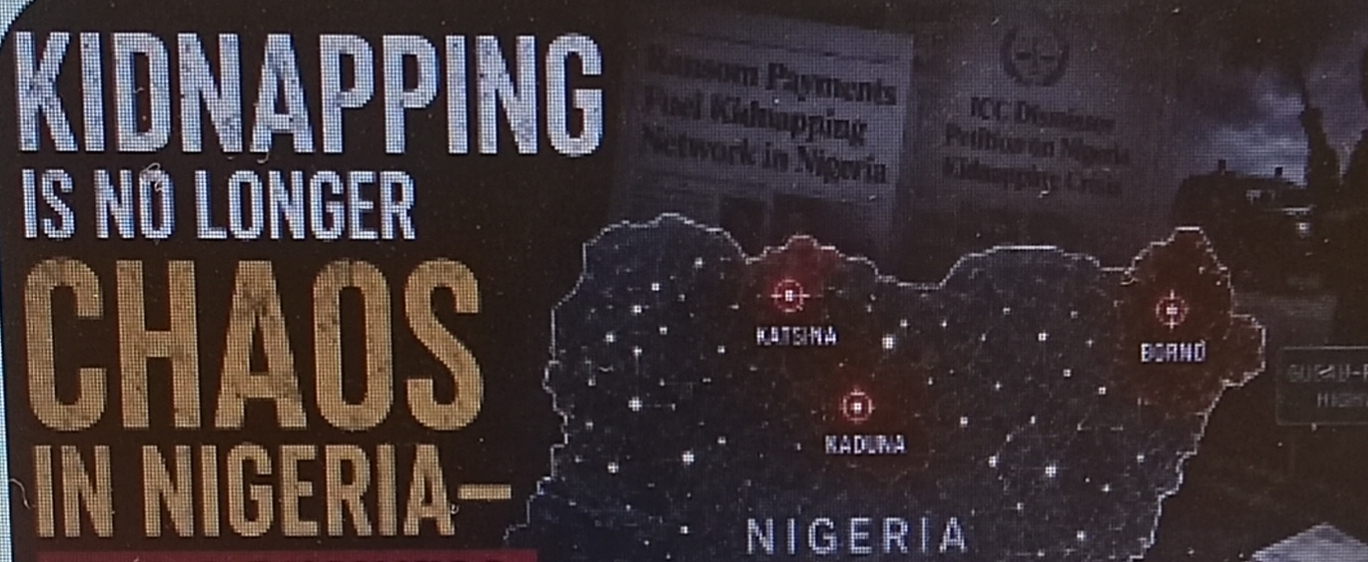
The North-West also emerged as the highest-risk geographical hotspot during the week, recording a risk score of 0.95. This finding was supported by incidents including reports of bandits attacking a wedding convoy and abducting travellers between Katsina and Kebbi, as well as reports of police rescuing 95 kidnapped victims and arresting 161 suspects. These events should not be viewed only as separate crime reports because, taken together, they point to a security environment under serious pressure. For security agencies and policymakers, the North-West has moved beyond being a slow-burning concern and should be treated as an immediate priority.
Another warning from the Pipeline concerns the way serious events are presented in the media. The system identified 146 articles that used positive or neutral framing for events that were classified as high risk in substance. One example involved public outrage following the killing of a final-year student by armed robbers in a northern state, where the seriousness of the underlying event was not fully reflected in the framing. This matters because the language used to describe a crisis can influence how quickly the public, government and policymakers recognise the need for action.
The Pipeline also detected two pairs of articles that were essentially reporting the same underlying story but had been classified under completely different topics. This may appear minor, but it demonstrates an important weakness in traditional news monitoring: one event can simultaneously be about politics, security, corruption, elections or governance. If those connections are not identified, decision-makers may see several small stories instead of one larger developing issue. Data intelligence helps bring those separate pieces together.
For decision-makers, the immediate lesson from the Osun controversy is the importance of rebuilding trust. The decision to freeze the state government’s account and the subsequent presidential intervention have created questions about the independence of the EFCC and the credibility of the electoral environment. Those questions cannot be resolved by political arguments alone; they require clear explanations, transparent communication and confidence in the legal and electoral processes.
For journalists and civil society organisations, the lesson is equally important. The Osun election deserves close monitoring, but so do the less visible warning signs identified by the Pipeline, particularly local government administration and the security situation in the North-West. The danger is that public attention can become so focused on the biggest political story that other risks developing quietly are ignored. By the time those risks become major headlines, the opportunity to prevent them may already have been lost.
For those following the Osun governorship election, two issues deserve particular attention in the days ahead: the court proceedings surrounding the frozen accounts and INEC’s BVAS deployment numbers. Both are important because they speak directly to public confidence in the credibility, security and transparency of the August 15 election. The political contest will continue to generate headlines, but the real measure of the election will ultimately depend on whether voters are able to participate freely and whether the process is widely accepted as credible.
There is also a broader lesson here about the relationship between data and political reporting. Headlines tell us what happened, but data can help us understand how different events are connected, where pressure is increasing, who is involved and which risks are being overlooked. The Osun EFCC controversy demonstrates this clearly: what began as an account-freezing action quickly became a story about elections, federal power, state autonomy, anti-corruption enforcement, political trust and democratic credibility.
As Nigeria moves toward the August 15 Osun governorship election, these issues remain unresolved. The frozen accounts may have been returned to the centre of a legal process, but the questions created by the timing of the action will not disappear simply because the order was reversed. The real test now is whether political actors, institutions and voters can move from suspicion and political tension toward a process that Nigerians can trust.
This is why the Osun State election is the star story of the week in the EphraimHill Pipeline. It is not simply about who wins the election; it is about what the events surrounding the election reveal about Nigeria’s institutions, political behaviour, security environment and public trust.
At EphraimHill DataBlog, we believe the most important story is sometimes hidden behind the biggest headline. Our data intelligence approach brings together thousands of news signals, sentiment patterns, risk indicators, topics, locations and institutional relationships to identify those hidden connections. “Frozen Accounts, Fiery Politics” is a powerful example of what happens when the data is allowed to tell the story behind the story.
Nigeria does not need more noise. It needs better intelligence about what the noise means. And sometimes, the pattern appears before the crisis becomes the headline. Hence, to stay informed, you need to go deeper by visiting ephraimhilldc.com to explore the full intelligence ecosystem.
EphraimHill DC is Nigeria’s civic data intelligence platform, where we track, analyse, and interpret national developments to help Nigerians understand the deeper patterns behind public events. Our analysis is institutional, evidence-based, and politically neutral.
Week 32 | August 2026 | Intelligence Pipeline Output


























![The Trend of Insecurity in Nigeria. [Part 2]](https://ephraimhilldc.com/wp-content/uploads/2024/09/Computer-Monitoring-of-Remote-areas.png)