
Now we hear of frequent ambushes. Nigerian soldiers are being captured, killed, and humiliated by ragtag Boko Haram fighters. Why? Because there are moles within the Army. Because those so-called repentant fighters never repented. They only changed uniforms.

We lack the industrial infrastructure to add value to our growth. We need industries that process farm produce into finished goods, create jobs, reduce waste, and generate wealth. This is the blueprint for economic rebirth in Ekiti State.
he South West Development Commission is that long-awaited platform—and its timing could not be more critical, nor its responsibility more urgent

Some people want to get rich quickly. There is a growing certainty that human life can be exchanged for wealth, called ritual money.
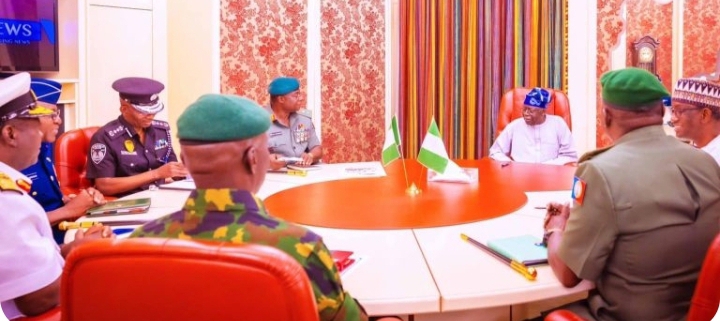
Yorubaland is facing an existential threat that demands nothing less than the total focus of the government and the collective mobilization of all our national resources, political will, and military might to save Yorubaland from Fulani invasion.
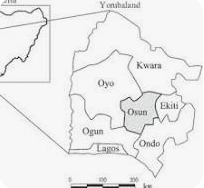
The bitter truth is that the survival of Yorubaland now depends not on empty prayers or hollow political promises, but on our ability to take our destiny into our own hands, rise as one people, and defend our land without allowing the poison of religion or politics to divide us
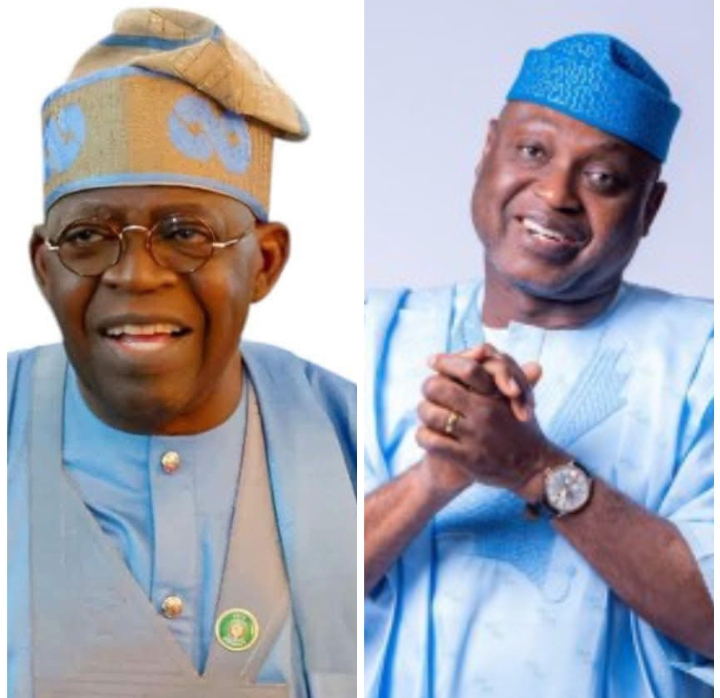
When the seat you are sitting on is the target of your competitors, there is nothing you can do to please those who are contending for the seat. It doesn’t matter how hard you try or how sincere your intentions are; they will always find a reason to complain.

When people begin to question whether he can turn around Nigeria’s struggling economy, the more pressing question becomes—if Tinubu cannot, then who possibly can?

This bold statement sheds light on a growing tension in Nigeria’s power dynamics—why the Sultan fears social media. In truth, it’s because social media has become the people’s weapon against Nigeria’s entrenched power establishment

The global billionaire landscape is a dynamic and ever-evolving picture, reflecting the shifting sands of economic power, industry dominance, and societal change