
Trump’s tariff-centric approach is built on an outdated view of America’s economic reality. The United States is no longer defined by factories but by code, services, and ideas.
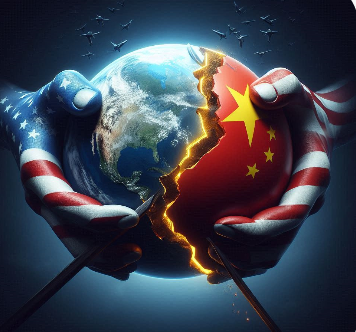
While the U.S. and China are the main players, the consequences are being felt globally, especially in developing nations.
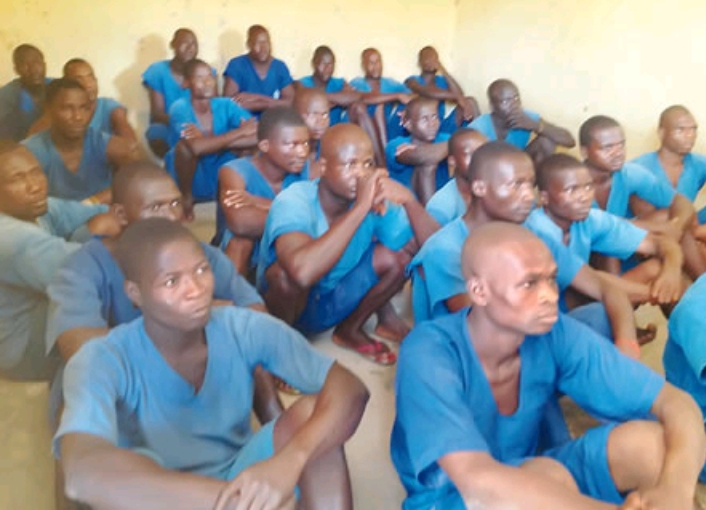
Reflectively, the current state of Nigeria’s prison system reflects broader governmental and societal negligence.

The forests of Yorubaland have turned into the devil’s camp of Fulani herdsmen kidnappers.

Kidnapping has become a national emergency in Nigeria. It is no longer confined to the wealthy, the politically connected, or the privileged few.
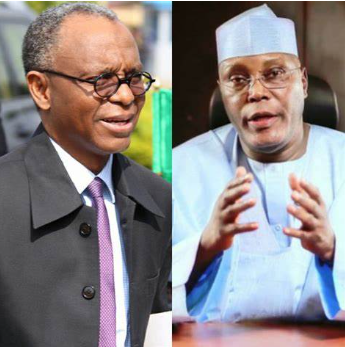
As another presidential election cycle approaches, one critical question looms: Can Nigeria afford another Fulani-led government?

For ex-convicts, freedom often feels like a cruel joke. They leave prison only to face rejection from their families, ostracism from their communities, and outright discrimination from potential employers.
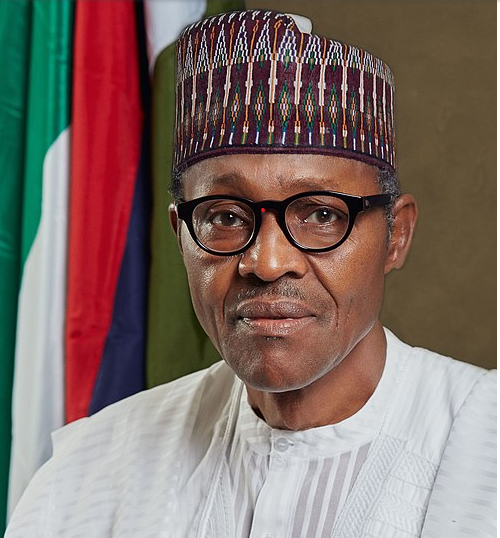
This piece delves into Buhari’s legacy of mismanagement of national resources, explores how Nigerians have been affected, and questions the silence of current leaders and all the country’s elites
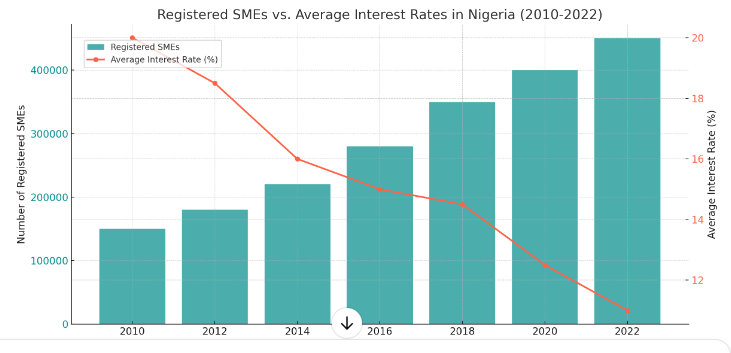
But the truth is that genuine, sustainable economic recovery won’t be found in temporary relief programs. It requires a difficult and disciplined focus on productivity and self-reliance.

This article isn’t meant to discourage anyone from exploring opportunities outside Nigeria. Instead, it’s a call for reflection, urging us to examine the reality of life abroad, weigh the costs and benefits, and understand Nigeria’s potential. Here, we’ll explore the often-overlooked aspects of the “Japa” dream and consider why, perhaps, the answer to a better life may not be outside Nigeria’s borders