EphraimHill DC | Weekly DataStory | Week 20, 2026 | 17 May – 23 May 2026
Nigeria entered the third week of May 2026 under pressure from multiple directions. Schools were raided. Teachers were killed. Soldiers died at a military training base. Political parties held chaotic primaries. And through it all, our national news cycle moved from one crisis to the next without pausing long enough to connect the dots. That is exactly what this week’s data story is here to do — pause, connect, and advise. Without doubt, the data behind Nigeria’s escalating insecurity shows a nation under coordinated pressure
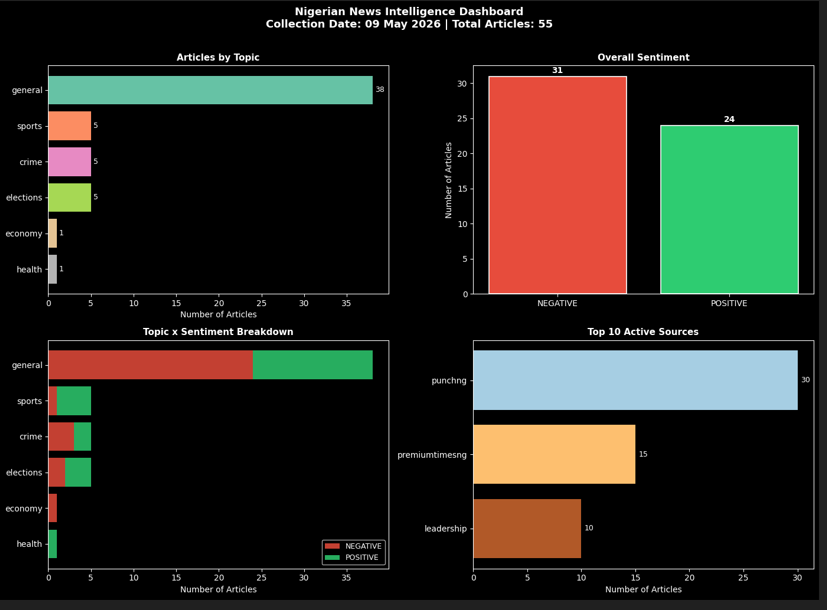
This week, EphraimHill DC tracked 941 articles across Nigerian civic and public affairs. The numbers tell a story that is harder to ignore when you see them laid out clearly. Out of those 941 articles, 526 carried negative sentiment — meaning more than half of everything published about Nigeria this week was driven by bad news, tension, or conflict. Only 415 articles carried positive signals. The average risk score across the week was 0.401, which sits in the low-to-medium range. But averages can be misleading. Behind that number were 18 critical-risk articles and 152 high-risk articles, and what those articles described should concern every serious policymaker and civic actor in this country.
Read Also: The Campaign Season Is Returning Early: Even as Governance Pressures Intensify
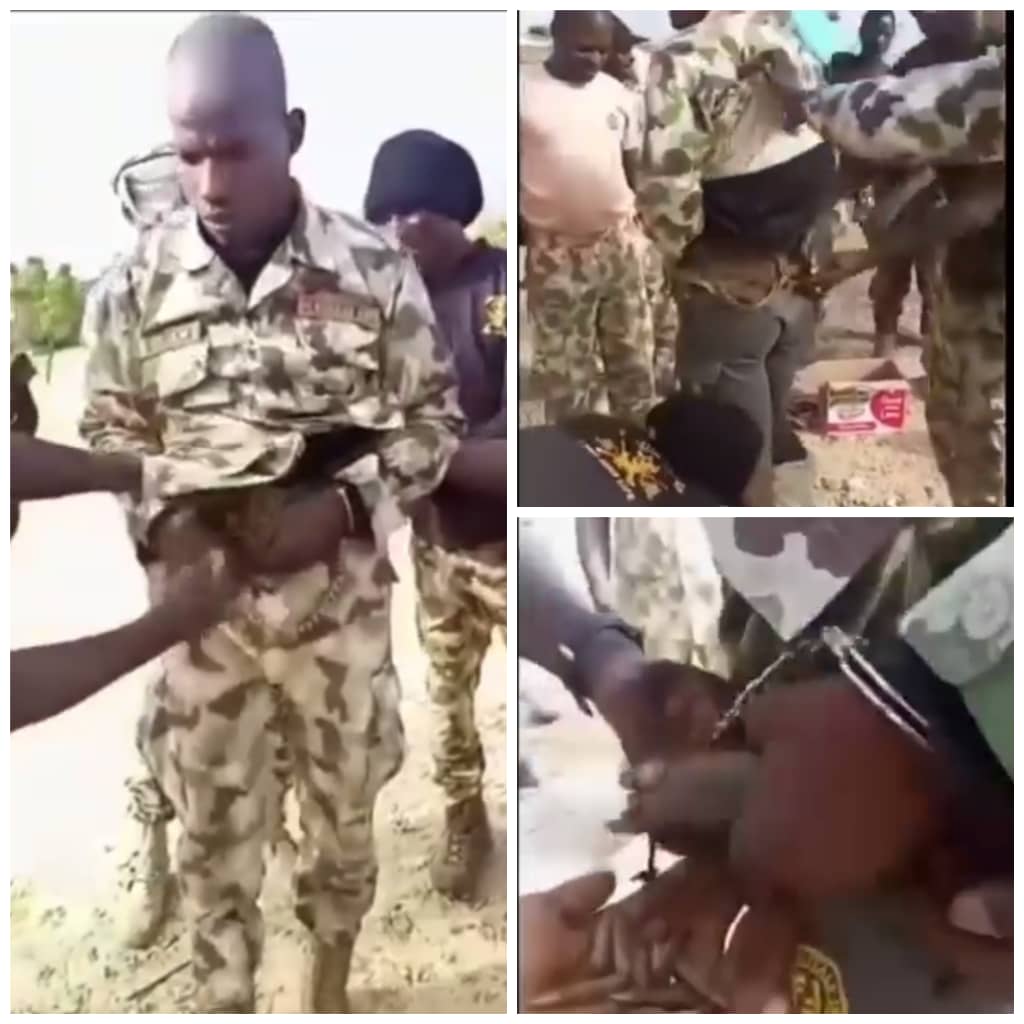
Let us start with what those critical-risk articles were about. Police officers and soldiers were killed by terrorists at the Army Special Forces School in Yobe State. An abducted teacher in Oyo State was murdered — and President Tinubu himself described the killing as “barbaric.” There were fresh school abductions in Borno and Oyo States. A building collapsed in Abuja with an engineer subsequently arrested in connection with it. The Senate was pushed to begin fast-tracking legislation on state police in direct response to the Borno and Oyo attacks. Each of these events, on its own, is a crisis. Together, they point to a country under simultaneous stress on its security architecture, its institutions, and its political processes.
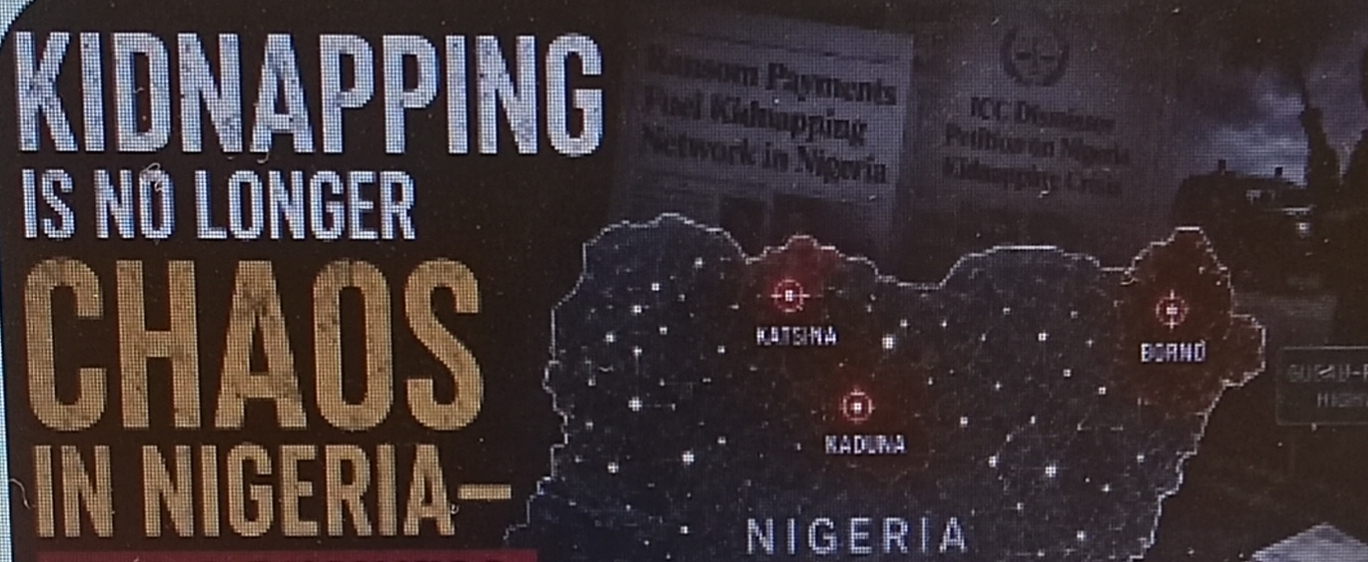
The data behind Nigeria’s escalating insecurity shows a nation under coordinated pressure, and what makes the situation even more urgent is that the kidnapping pattern is no longer isolated to one region or one type of target. Teachers, students, commuters, farmers, and rural residents are increasingly vulnerable across multiple parts of the federation. The murder of the abducted Oyo teacher was not simply another tragic headline; it was a warning that communities are steadily losing confidence in the speed and reach of the existing security structure. When kidnappers can operate across forests, highways, and border communities with this level of consistency, it becomes difficult to argue that Nigeria’s security challenge can still be managed effectively through a highly centralised policing system alone.
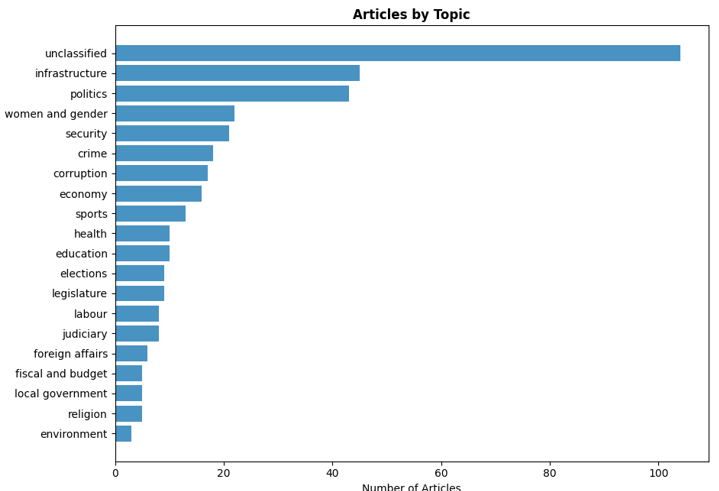
The single most dominant topic this week was “general” — 738 out of 941 articles fell into that category. That number is not a coincidence or a data error. It reflects something real: a lot of what is happening in Nigeria right now does not fit neatly into one policy box. The attacks on schools, the protests, the political disputes, the infrastructure failures — they bleed into each other. When that happens, it usually means the problems are systemic rather than isolated. Decision-makers should take that signal seriously. When your civic data starts resisting clean categorisation, it means the underlying issues have become entangled, and a piecemeal response will not be enough.
Read Also: Nigeria’s Civic Data Intelligence: The Story Beneath the Headlines
Behind the “general” category, crime was the second-largest topic with 85 articles, followed by elections with 56 articles and sports with 35. The election figures deserve particular attention because the articles under that label were not about a future election; they were almost entirely about the APC party primaries happening right now across multiple states. Primaries in Taraba, Borno, Plateau, and Kaduna featured prominently. An APC panel declared the House of Representatives spokesperson’s primary result inconclusive. The Plateau State rep lost his return ticket. In Borno, nine constituencies produced winners, but one remained unresolved. These are not minor procedural hiccups — they are the early-stage data points that tell you whether 2027 will be a stable election year or a turbulent one.
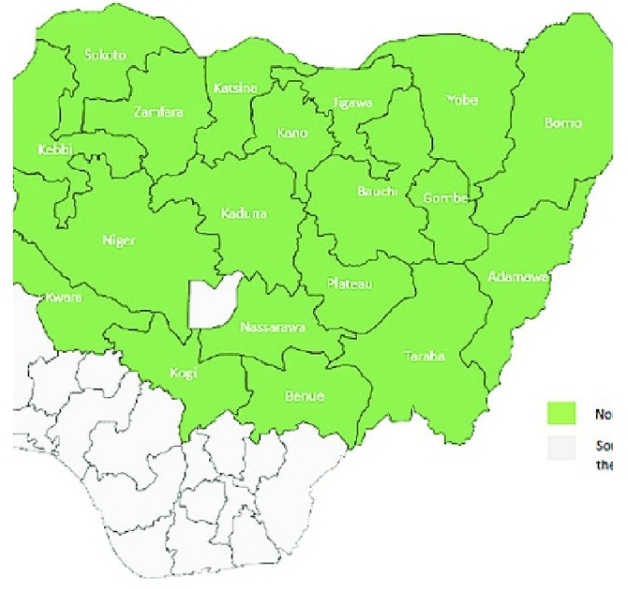
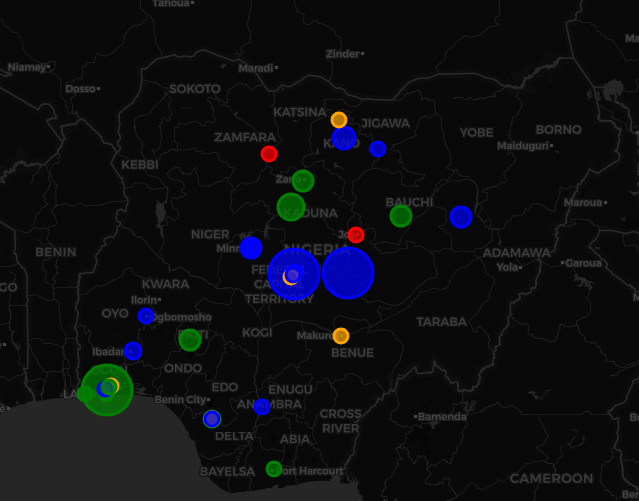
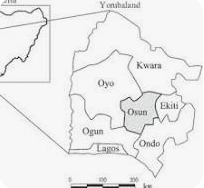
Geographically, this week’s pressure was concentrated in a band stretching from the Northeast down through the Northwest and into the Southwest. Nigeria as a country, has geographic mentions of 246 references, Abuja at 115 and Lagos at 90. But the more telling geographic signals came from Kaduna, with 36 mentions, Borno with 17, and the broader Yoruba cultural zone with 20. Afenifere, the pan-Yoruba socio-political group, issued a statement expressing horror at what it described as a terrorist invasion of schools in Oyo State and attacks across Ekiti, Ogun, Ondo, and Kwara.
That statement alone draws a line connecting five Southwest states under a single security threat. When a cultural organisation of that standing uses the word “invasion,” it is worth taking seriously as a geographic and political signal. It also raises a deeper operational concern: the forests and inter-border corridors linking parts of the Southwest are increasingly being exploited as movement routes by criminal networks and armed groups. If Ekiti, Ogun, Ondo, Oyo, Osun, and adjoining areas continue responding independently, the attackers will keep benefiting from fragmented enforcement structures and inconsistent intelligence coordination.
This is why the Southwest security question can no longer be treated as a collection of isolated state problems. The forests do not recognise state boundaries, and neither do kidnapping syndicates. The same criminal cells moving through one state’s forest reserves today can appear on another state’s highway tomorrow. What the data suggests is the need for a coordinated regional security architecture, not merely parallel state responses operating without deep integration. The newly constituted Southwest Development Commission therefore has an opportunity to become more than an economic coordination body. It should work in direct synergy with Southwest governors, local intelligence networks, Amotekun formations, federal security agencies, and border communities to build a unified regional security framework focused specifically on inter-state forests, rural corridors, and vulnerable transport routes.
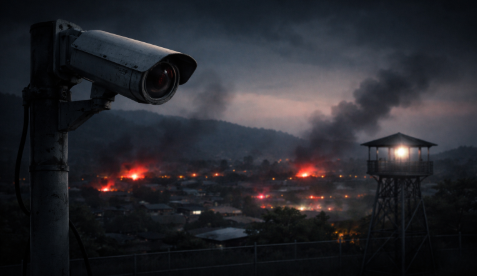
Part of that framework must include modern aerial surveillance capacity. Nigeria’s security response still relies too heavily on ground deployments into difficult terrain where armed groups already understand the geography better than security personnel. The result is repeated ambush risks, delayed response times, and unnecessary casualties among foot soldiers and local operatives. The use of drones for persistent aerial surveillance across forests in Ondo, Oyo, Ogun, Ekiti, Osun, and adjoining regions would significantly improve early threat detection, movement tracking, and rapid intelligence gathering.
Modern security threats require modern surveillance methods. Drones can monitor illegal camps, identify unusual movement patterns, support rescue operations during kidnappings, and provide real-time intelligence to response teams without exposing large numbers of personnel to direct danger. In a period where kidnappings are spreading across highways and forest corridors, aerial intelligence is no longer optional infrastructure; it is becoming a strategic necessity.
The Kano-Katsina highway was blocked by protesters this week, due to bandit attacks and killings. This is significant for two reasons. First, it confirms that the Northwest security crisis has reached a point where civilian populations are taking visible collective action to express their frustration. Second, it means the disruption is no longer limited to remote communities; it is now reaching major transport corridors that affect commerce, movement, and economic activity for millions of people. When civilians block highways over security failures, governments typically have a narrow window to respond with substance before the situation escalates further.
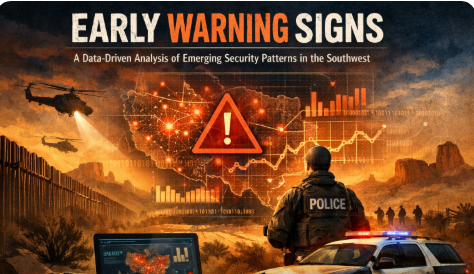
Our early warning system flagged one signal that should concern every security analyst and policy advisor reading this: protest received a risk score of 0.95 — nearly at the top of the scale — despite receiving below-average media coverage this week. That combination is one of the most dangerous patterns we track. When something is high-risk but underreported, it means the situation is developing faster than the narrative is keeping up. The Kano-Katsina highway blockade was one manifestation of this. But if our system is detecting a protest pressure signal that the media is not fully covering, there may be more happening on the ground that is not yet visible in the news cycle. Government and civil society actors should be doing active, proactive field intelligence in the Northwest right now — not waiting for the next highway blockade to confirm what the data is already suggesting.
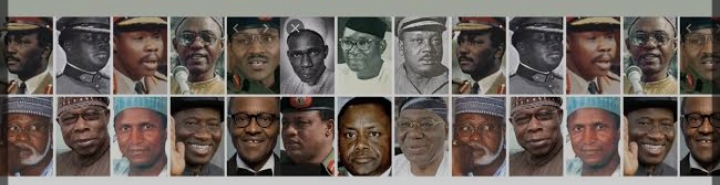
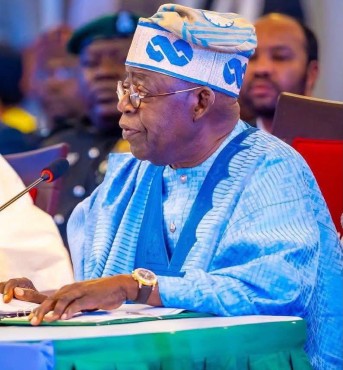
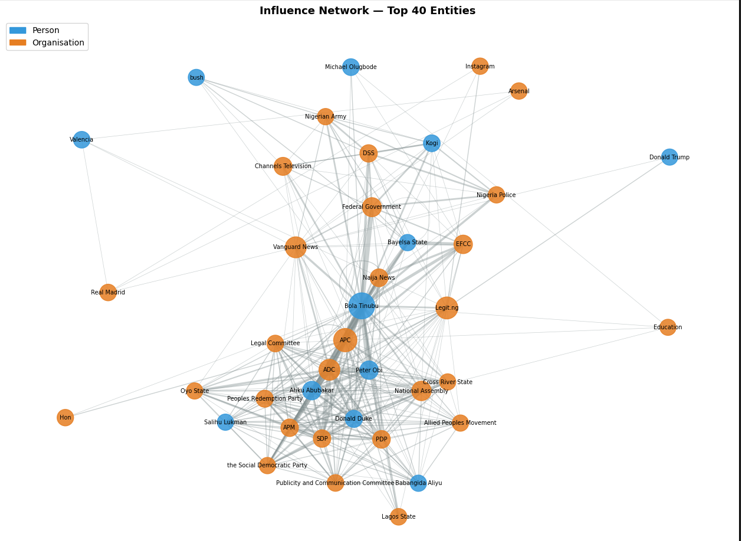
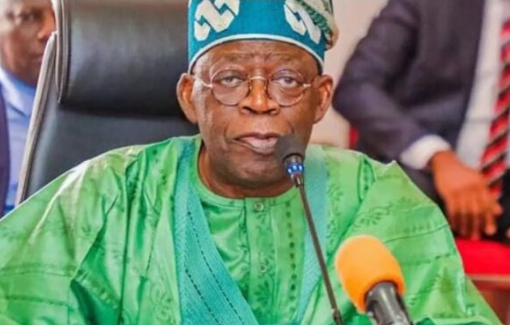
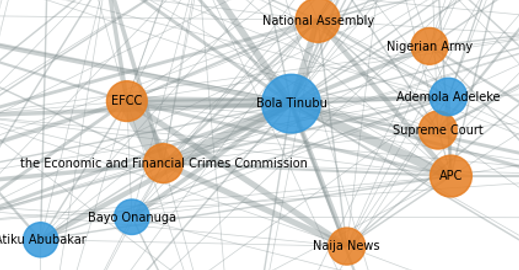
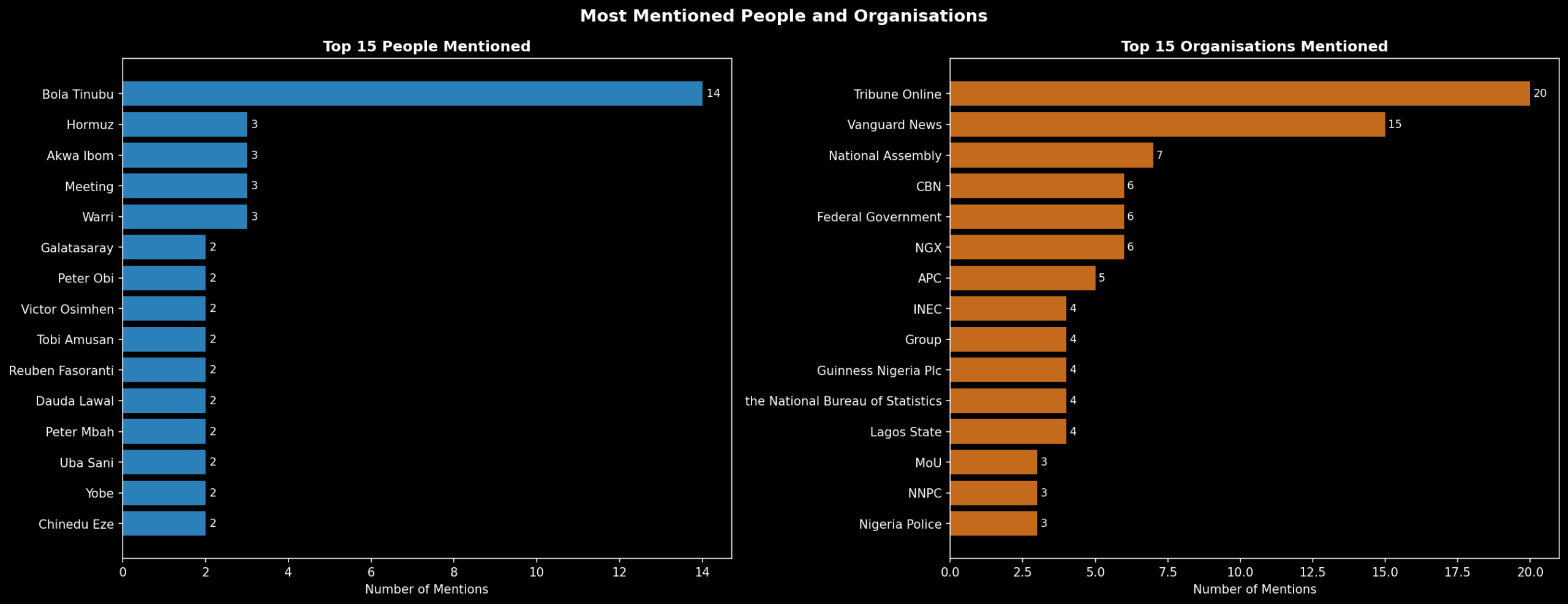
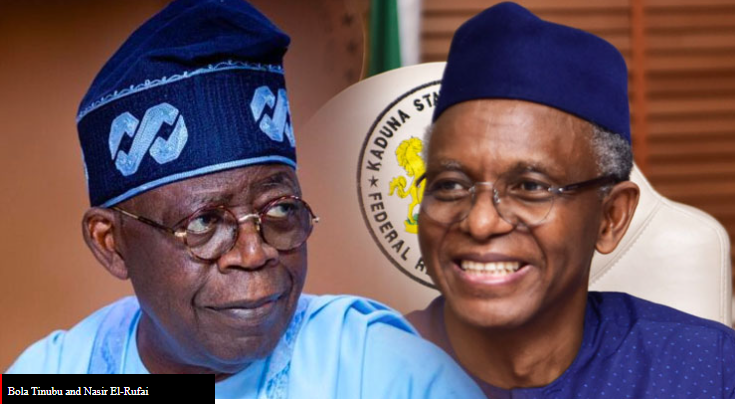
The most prominent individual actor in the week’s coverage was President Bola Tinubu, with 102 mentions. That figure dwarfs every other individual in the dataset. Some of those mentions were administrative — his government unveiled a Children’s Day 2026 theme focused on inclusion and family strengthening, for instance, which came out of Abuja this week. But many of his mentions were tied directly to the security crises — his statement on the murdered Oyo teacher, the Senate’s accelerated push on state police happening under his presidency, and the broader national conversation about whether the federal government is responding with sufficient urgency.
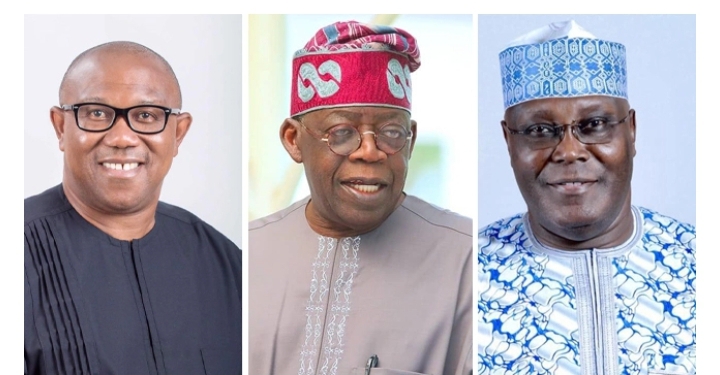
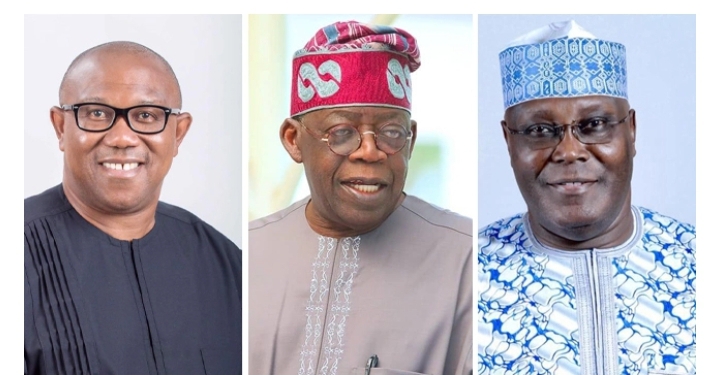
Peter Obi appeared with 14 mentions, and former presidents Jonathan and Gowon each appeared 12 to 14 times; a signal that historical and comparative political conversations are running alongside current events. Atiku Abubakar appeared 11 times, largely in the context of ongoing APC and opposition political manoeuvring.
Our system also flagged that two pairs of articles were semantically similar but classified under different topic categories. This is what we call a hidden story signal. Without going into technical detail, it means that the full scope of at least two stories this week may have been obscured by how different outlets chose to frame and label them. In practice, this often happens with security and crime stories — an event gets reported as a “crime” story by one outlet and a “security” story by another, when it is actually both. Readers and policymakers who rely on a single source or a single frame miss the complete picture. This is part of why an independent intelligence layer — one that looks across sources and topics — is valuable.
Read Also: The Cost of Ignoring Early Warnings: A Risk Projection for the Southwest Security
For government decision-makers, the advice from this week’s data is direct. The state police bill needs to move from fast-tracking to enactment. The Senate acknowledged as much this week when it responded to the Borno and Oyo school attacks by pushing the legislation forward — but the timeline still matters enormously. Every week of delay is a week in which state governments lack the legal authority to build the local security infrastructure that communities in Oyo, Borno, Kano, Katsina, and across the Southwest are already demanding.
The security environment has evolved faster than the institutional response structure designed decades ago. Rural communities facing kidnappings often know the terrain, the movement patterns, and in some cases even the local collaborators involved in criminal operations, but state-level authorities remain constrained in how rapidly and directly they can deploy policing responses. A functioning state police framework would not automatically solve insecurity overnight, but it would close some of the operational gaps that currently allow criminal networks to exploit slow coordination and over-stretched federal capacity.
Beyond the bill, intelligence sharing between state governments in the Southwest needs to be formalised. Afenifere’s horror at attacks across five states is a civic signal — but it also implies that five state governments may be responding to the same threat independently rather than collectively. The Southwest Development Commission should therefore become part of a broader regional stabilisation strategy that combines infrastructure planning with security coordination. Economic development cannot succeed in environments where highways become kidnapping corridors and forests become safe havens for armed groups. A regional intelligence fusion structure linking governors’ offices, local security outfits, federal agencies, and aerial surveillance systems would significantly strengthen response capacity. The data increasingly suggests that the Southwest’s security problem is regional in nature, and regional threats require regional coordination.
For journalists and media organisations, this week’s data makes a specific ask. The protest signal is underreported. The Kano-Katsina highway story needs deeper investigation — who organised the protest, what specific communities were hit by bandit attacks, and what has been the government’s response at the local and state level? Reporting that connects the dots between the Northwest protest, the Northeast school abductions, and the Southwest school attacks is more valuable to the public than treating each event as a standalone story. The geographic spread of insecurity this week is the story. Do not let it get buried under primary results and political positioning.
For NGOs and civil society organisations, the Children’s Day theme from the federal government — inclusion and family strengthening — arrived in the same week that children were abducted from schools in Borno and Oyo, and a teacher was killed after being kidnapped. That juxtaposition is not an accident of timing. It is a measurement opportunity. Organisations working on child protection, education access, and community resilience should be using that contrast to push for specific commitments — not just thematic language — on school security, early warning systems in at-risk communities, and psychosocial support for children affected by abductions.
Nigeria’s civic data this week does not point to a country in freefall. It points to a country being tested on several fronts at once, and making slow and uneven progress on each of them. The positive signals are real — APC primaries are producing results in most constituencies, courts are functioning (a Boko Haram convict is pursuing a legal appeal through proper channels, a disgraced former governor is being protected from extrajudicial prosecution), and athletes like Maduka Okoye are giving Nigerians reasons to feel pride. But the pace of the negative signals — particularly on security — continues to outrun the pace of institutional response. That gap is what this platform exists to measure and communicate.
We publish this every Saturday for a reason. The data does not wait for convenient moments. Neither should the response. You can access deeper intelligence, dashboard, interactive maps, and the full risk dataset for Week 20 on the EphraimHill DC platform at ephraimhilldc.com. The Advanced Intelligence Brief for this week — with full entity networks, geographic risk maps, and the narrative shift tracker — is available to Data Intelligence Hub subscribers. If you work in government, journalism, civil society, or research, the dataset is on the Data Lab page. The question is whether the decisions will follow.
From a hill called Ephraim, we bring you Nigeria — weekly civic data and intelligence. EphraimHill DC | Data Cortex | Nigeria Civic Intelligence Platform Week 20, 2026 | Published: Saturday, 23 May 2026


























![The Trend of Insecurity in Nigeria. [Part 2]](https://ephraimhilldc.com/wp-content/uploads/2024/09/Computer-Monitoring-of-Remote-areas.png)