The Petroleum Refinery and Petrochemical Project established by Aliko Dangote have the potential to transform Nigeria into a self-sufficient nation in local crude oil refining and revolutionize Nigeria’s economy. This blog post will explore the numerous benefits of having a domestic refinery, using the Dangote Refinery as a prime example to encourage other wealthy individuals in Nigeria to start investing in critical sectors that can contribute to the overall growth of the nation’s economy.
Read Also: Prioritize Digital Skills In Nigeria’s Education Curriculum For Future-Ready Workforce
Benefits of the Dangote Refinery:
Nigeria, being one of the largest oil producers in Africa, has long relied on importing refined petroleum products due to limited refining capacity. This practice has proven to be costly, especially when subsidies are involved. However, with the establishment of the Dangote Refinery, Nigeria will enjoy several advantages. Firstly, the refinery will enable the production of essential fuels like petrol, diesel, kerosene, and aviation fuel within the country, reducing the need for imports and subsidies. This self-sufficiency will save significant amounts of money that would have been spent on importing petroleum products and subsidizing petroleum marketers.
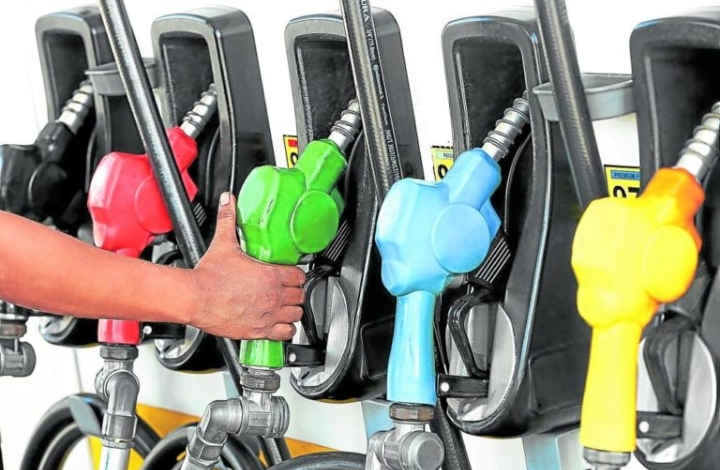
Furthermore, a domestic refinery has the potential to enhance Nigeria’s economic situation in various ways. With surplus production, Nigeria can export refined petroleum products to other countries, diversifying its export portfolio and generating foreign exchange earnings. This will strengthen Nigeria’s trade balance and reduce vulnerability to global oil price fluctuations. Additionally, the value of crude oil increases significantly after refining, allowing for the production of various petroleum products and by-products with industrial applications. This value addition through refining will generate more revenue from Nigeria’s natural resources and stimulate economic growth.
Read Also: The Future of Nigeria Without Petroleum Subsidy
Job Creation and Economic Development:
Beyond the direct economic benefits, the Dangote Refinery will also create numerous employment opportunities. A functional refinery requires a substantial workforce, including skilled and unskilled labor. The construction, operation, and maintenance of the refinery will generate jobs across different sectors, such as skilled trades, refinery operators, logistics and transportation, engineering and technical services, research and development, and support services. Moreover, the presence of a refinery can attract ancillary industries and businesses, leading to further economic growth and development. The infrastructure development associated with the refinery, such as pipelines, storage facilities, and transportation networks, will benefit various industries and contribute to overall economic growth.
Improved Affordability and Standard of Living:
Building a domestic refinery, such as the Dangote Refinery, can lead to a potential decrease in the price of petroleum, making transportation more affordable and reducing energy costs for households and businesses. Stable fuel prices can positively impact transportation costs, benefiting both public transportation users and private vehicle owners. Moreover, industries reliant on petroleum-based products will experience lower production costs, potentially leading to reduced prices of commodities such as food, goods, and services. Making essential commodities more accessible can improve the overall standard of living for the citizens.
Encouraging Other Investors:
Inspired by the success and impact of the Dangote Refinery, this blog post therefore encourages other wealthy Nigerians to emulate Aliko Dangote’s intervention investment approach. By directing their resources toward sectors of Nigeria’s economy, such as Steel Rolling mills, Electricity Supply, Textile Industry, and Mechanized Agriculture. By doing this, you can make a meaningful difference and lay the foundation for the overall growth of the Nation.
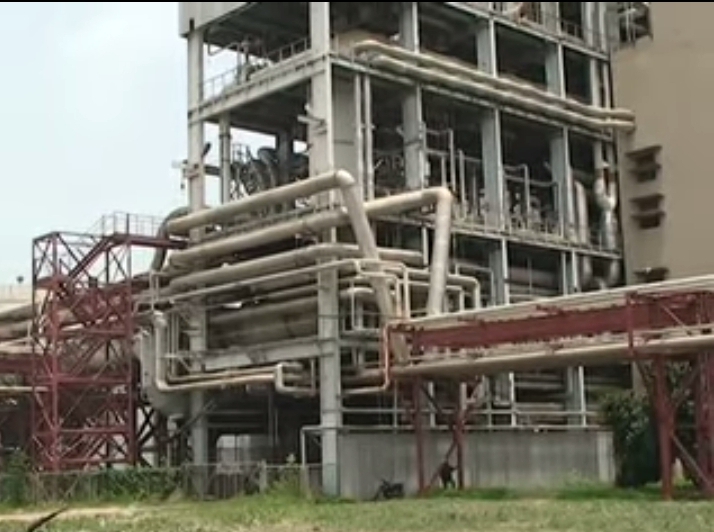
Investing in Steel Rolling Mills is crucial for Nigeria’s industrial development. Revitalizing this sector will create job opportunities, boost local steel production, and support infrastructure development. A strong steel industry will have a ripple effect on various sectors, such as construction, manufacturing, and engineering, stimulating economic growth and reducing dependence on imported steel.
Read Also: 2023 Population Census: A Necessity for Addressing Nigeria’s Problems
The electricity supply is another critical area that demands investment. By investing in power generation, transmission, and distribution, investors can help address Nigeria’s energy challenges. Improved access to reliable electricity will drive economic activities, attract businesses, and enhance the quality of life for citizens. Industries will flourish, job opportunities will increase, and households will enjoy better living conditions.
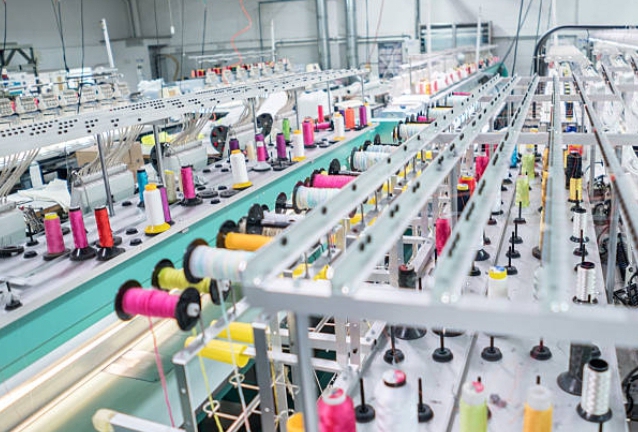
The textile industry holds immense potential for Nigeria’s economy. Investing in this sector will revive textile manufacturing, create employment opportunities, and promote the production of local fabrics. Supporting the textile industry will not only reduce the reliance on imported textile but also contribute to the cultural heritage and promote sustainable fashion practices.
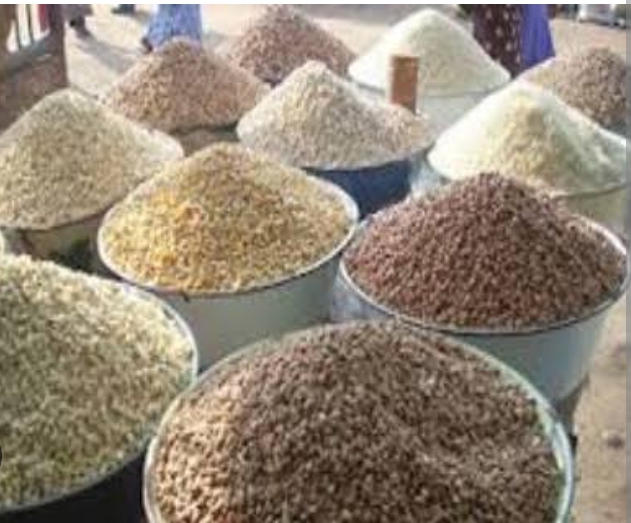
Mechanized agriculture is equally essential for Nigeria to achieve food security and economic prosperity. Investing in modern farming will increase agricultural productivity and stimulate rural development. By investing in mechanized agriculture, investors can contribute to ensuring food self-sufficiency, reducing import dependency, and boosting agricultural exports.
Instead of investing your money abroad or in businesses that have little or no impact on the lives of citizens, wealthy individuals are hereby requested to consider the immense potential of these critical sectors of Nigerian economy, and readily engage in the development of the specified sectors. Indeed, this will earn you recognition as an agent of positive change and contributor to the economic progress and well-being of the nation.
In conclusion, the Dangote Refinery serves as an inspiring example of how investment in critical sectors can drive economic growth and transform the lives of citizens. Other wealthy individuals and investors are encouraged to follow suit and invest in any of the specified sectors. By doing so, you can make a lasting impact, foster economic development, and improve the standard of living for all Nigerians. Therefore, emulate Aliko Dangote by seizing a space to establish a prosperous future for generations to come.
Idowu E. Faleye, a certified Data Analyst, Political Activist, and writer, is a graduate of Politics & Public Administration. He’s the Founder/Chief Data Officer at EphraimHill Data Blog–a Data Reporting Site that is niche in Politics & Society. He can be reached at +2348132100608. or ephraimhill01@gmail.com







































![The Trend of Insecurity in Nigeria. [Part 2]](https://ephraimhilldc.com/wp-content/uploads/2024/09/Computer-Monitoring-of-Remote-areas.png)